
After 85 Years, Happiness Comes Down To These 4 Simple Things
 Dean Drobot | Canva
 What does happiness come down to? “Good relationships keep us healthier and happier.” That's what over 85 years of research from Harvard tells us. The human experience has shown us the same thing since humans started human-ing. Since the dawn of being human, we have done it together, and we were all happy doing it together.
Then somewhere along the way, some humans lost their happiness, got grumpy about it, and others didn't want to be humaning with them as much. Isolation began, and happiness took a serious hit. Knowing relationships are the singular critical component to happiness is helpful, but the knowledge isn't of much use when you feel isolated from others. To achieve the Harvard ideal of peak happiness, a lot of people need to figure out how to get happy with themselves first.
After 85 years, happiness comes down to these 4 simple things
1. Figuring out what truly matters to you
 PeopleImages.com - Yuri A via Shutterstock
Career and life management consultant Ruth Schimel likes the conventional definition of happiness derived from the Scandinavian word "hap", which means "chance or good luck", and is already hinting at a transitory and unforced aspect. Less impersonal, but somewhat flat, is a current definition: experiencing luck, good fortune, or prosperity, containing pleasure or gratification, and being well-adapted or appropriate. Most of these conventional views fail to capture the spirit, fluidity, and energy of happiness, the hopes and yearnings, even the feeling of "Is this all there is?" when success is achieved.
So much depends on ambiguities and complexities, on other people's actions and omissions. So avoid trying to force or depend on someone or something to provide your happiness. Instead, pay attention to, encourage, and sustain situations that have meaning and value to you. Appreciate the process and focus to reflect on your shifts and learning over time.
2. Living in a way that actually feels like you
 PeopleImages.com - Yuri A via Shutterstock
Happiness is an inside job, explains executive soul coach Carolyn Hidalgo. No one is here to make you happy. As much as we’d love it if people around us would change to make us happy, the joy you feel comes down to how aligned your experience is with your own inner sense of your true self.
Know thyself. Each of us has a personality style we’re born with that holds gifts only we can grow into by choosing to honor who we really are. It’s the beat of your own drum. The spark of your own divine self is connected to what you choose to love, feel passionate about, and where time flies by. It often requires turning off the noise of others’ expectations, assumptions, and beliefs around us and zeroing in on “who am I, and what do I want” without apology - as long as not intentionally out to hurt someone, anything goes.
3. Knowing what you actually need
 Krakenimages.com via Shutterstock
As therapist Dr. Gloria Brame, Ph.D., defines it, happiness comes down to figuring out what you, as a unique individual, actually need in life — not what you think you're supposed to need. That thing is wildly varied: becoming a golf star, having babies, making millions, creating art, building a business, breeding dogs, traveling the world. There's no universal script.
People waste their lives chasing someone else's definition of happiness, following a script inherited from religion, culture, family, or the media. They never stop to ask themselves what they actually want. As a therapist, I often see this pattern.
These adults hit all the traditional markers of success — marriage, kids, house — but they are dissatisfied. They followed the script all their peers followed (get a job, settle down, get married, have kids). But, all along, they feel a little empty inside because they never had time to do "the thing" they really wanted to do, or to become the person they could have become.
Happiness doesn't come from following the crowd. It comes from the hard, uncomfortable work of figuring out who you are, then having the courage to pursue it.
4. Having enough fuel to handle everyday stress
 sutadimages via Shutterstock
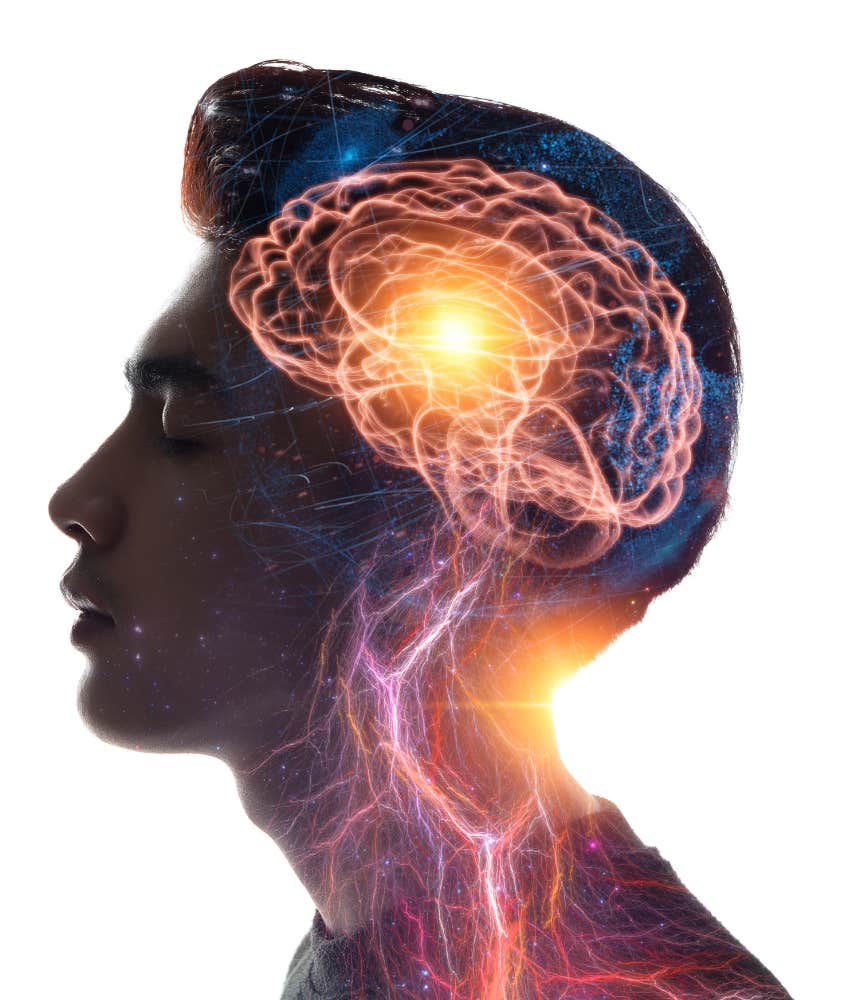
CEO of the Marriage Forum, Susan Allan, is rational about happiness being a biochemical result of endorphins and neurotransmitters balanced with adrenal cortisol. Happiness is no more complicated than that. Many people lack adrenal cortisol and other neurotransmitters, as well as the skills to enjoy life to its fullest. This is an urgent matter because we are creating our lives every minute of every day. If we are grateful and happy, we can use those feelings as tools to create more happiness.
Yet, if we are miserable and hopeless, we cannot get out of the mess without changing our brain chemistry by learning the proper skills. It's challenging for people who feel so desperately unhappy to believe there is hope. This can be a cause of dependency since insufficient adrenal cortisol throughout the day blocks the production of sufficient endorphins, serotonin, dopamine, and other natural opioids.
Will Curtis is YourTango's expert editor. Will has over 14 years of experience as an editor covering relationships, spirituality, and human interest topics.
