
Universities In South Korea Are Rejecting Top Applicants For One Particular Reason And People Around The World Are On Board
 Harbucks | Shutterstock
 Though college admissions historically seem to revolve around a student’s academic acumen, things are shifting in South Korea. The country has begun rejecting applicants for something outside of academics entirely.
Of course, every country has its own education system that might seem a bit confusing to people who aren’t from there, but the idea of the applicants with the best grades and extracurriculars getting accepted to universities is pretty universal. But several state-run universities in South Korea are now rejecting students, even if they look great on paper, for a controversial reason.
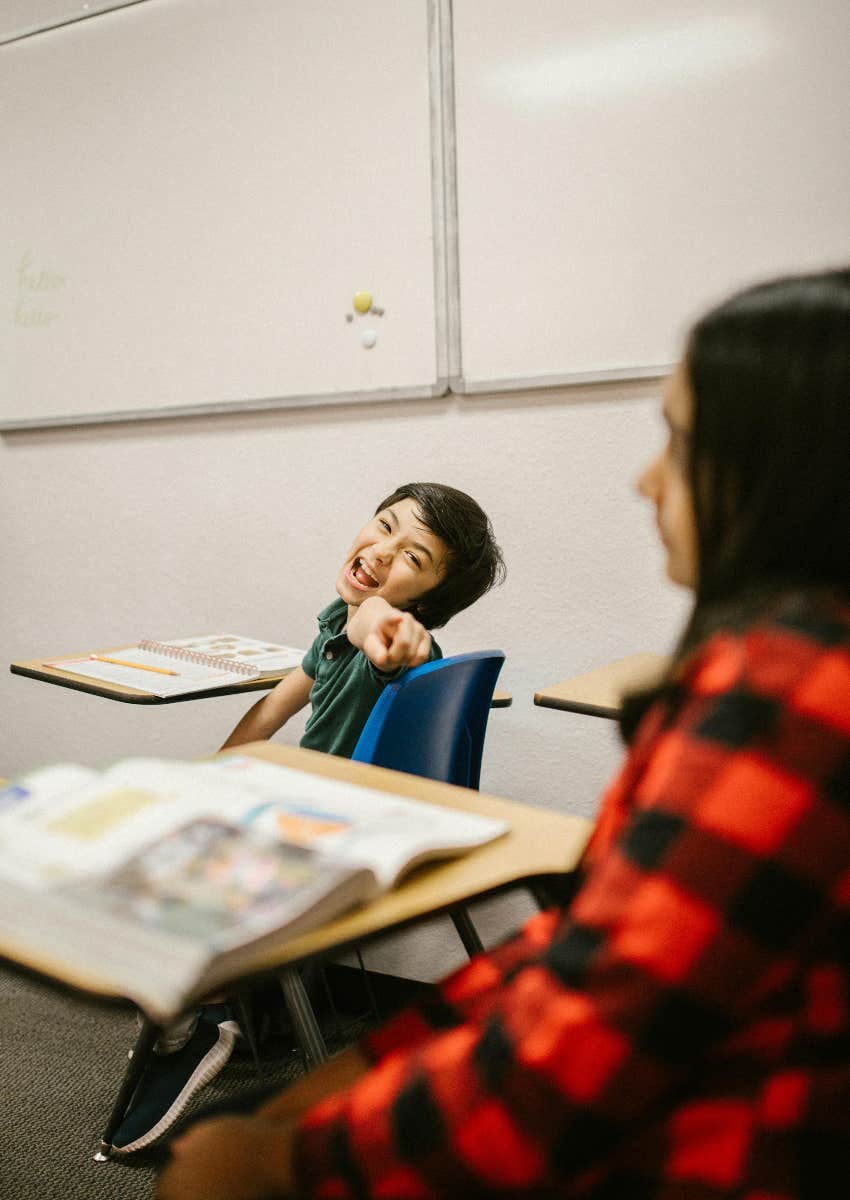
Applicants with a history of bullying are facing rejection from South Korean universities.
Lee Seung-ku covered the interesting topic for the Korea Herald, and said that data from the office of Representative Jin Sun-mee indicated that 162 applicants to 10 different state-run universities were rejected because they were known bullies. Apparently, the Presidential Council of the Korean Flagship National Universities ensured that 90% of 180 applicants who had a history of bullying were not accepted.
 RDNE Stock project | Pexels
Anyone from the U.S. will find this intriguing, as such a thing is basically unheard of in the Western world. StopBullying.gov stated that there are some civil rights laws that the Department of Education and Department of Justice uphold that schools have to take into consideration when dealing with instances of bullying. However, “At present, no federal law directly addresses bullying.”
This is pretty much a night-and-day difference from South Korea, where any instances of bullying are documented in a student’s official records that follow them throughout their education. If someone had a serious bullying problem in the U.S. and faced disciplinary action for it, that could end up on their record and potentially play a role in college admissions, but it’s not common.
The initiative is also extending to private universities in South Korea.
According to Seung-ku, the Education Ministry has left specific penalties for a record of bullying up to the universities’ discretion. While some took the route of outright rejecting those applicants, others deducted points from the students’ scores.
What started as a movement in state-run universities is now entering private ones, too. At least two private universities rejected all applicants with bullying records, and “several major private universities announced explicit penalties in their admissions guidelines,” per Seung-ku.
This means that a student who had top grades and a robust portfolio of extracurricular activities could very well be rejected without university officials even taking a second look. It’s quite different from the admissions process in the U.S., which College Board said is usually based on a mix of grades, test scores, completed courses, class rank, essays, recommendations, activities, and interviews.
A lot of people support the notion that a record of bullying should have future consequences.
In a Reddit thread, several users discussed the new criteria for admissions in the country. “Every small step matters in a social change,” one person commented. “Very [welcome] news! Good move, Korea!” another said.
 Mikhail Nilov | Pexels
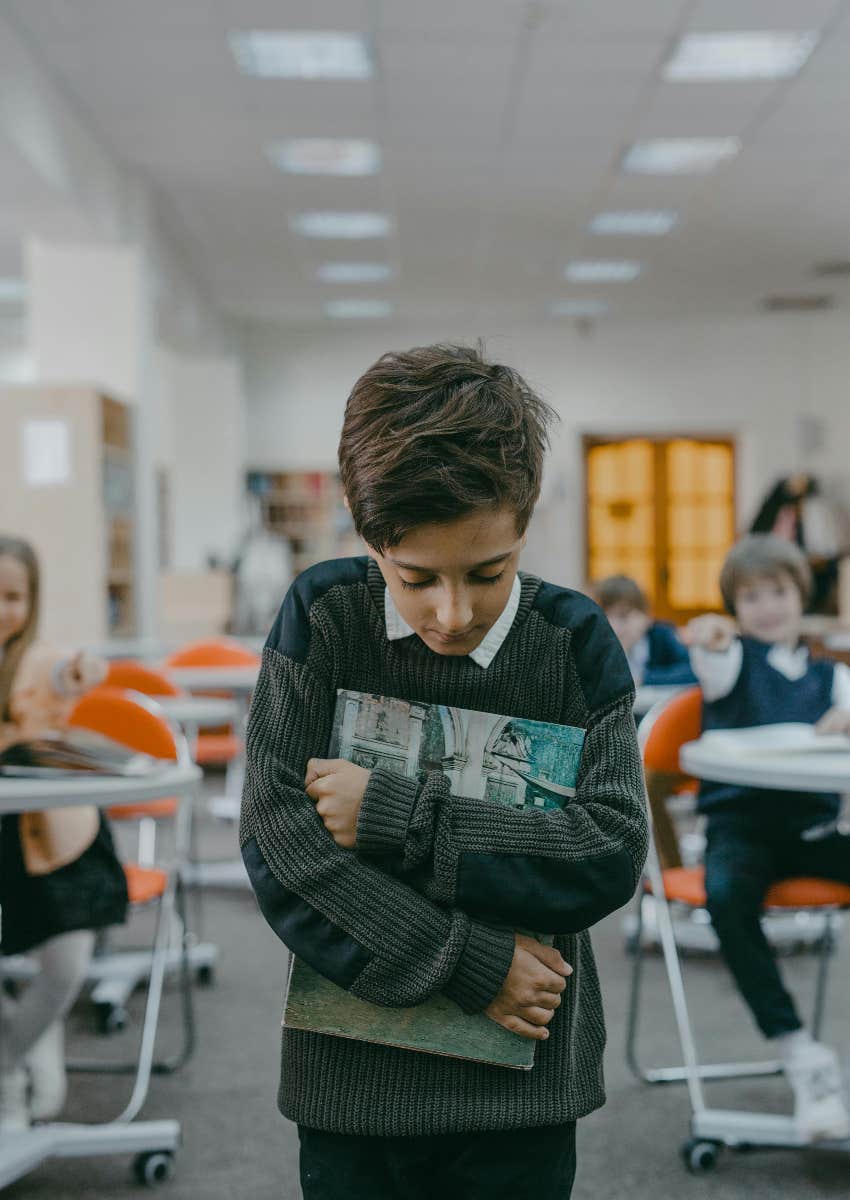
Not everyone was completely on board, though. A third commenter said, “I don’t think minors should be punished for the rest of their life for things they did when they were young and stupid.” It is a fair point. While bullying is serious, there are plenty of people who had a tendency to pick on other kids when they were younger who are completely different people as adults. Is it really right to bar them from attending college?
On the other hand, the National Child Traumatic Stress Network said that a child who has been bullied may experience anxiety, depression, low self-esteem, school avoidance, bad grades, and even self-harm and suicidal thoughts. The thought of preventing a bully from going to college in the U.S. may seem extreme, but maybe that’s because we don’t treat bullying with the gravity it deserves.
Of course, only time will tell if South Korea’s new initiative actually does anything to reduce bullying statistics. This is definitely some news worth following.
Mary-Faith Martinez is a writer with a bachelor’s degree in English and Journalism who covers news, psychology, lifestyle, and human interest topics.
