
Some People Think The Trend Of Posting Pictures From 2016 Is Nothing But A Clever ‘Psyop’ — ‘We Are Cooked’
 DukiPh | Shutterstock
 If you’ve opened up your favorite social media app in the last few days, there’s a good chance you’ve been inundated with the people you follow posting throwback pictures from 2016. There’s really no clear explanation for where this trend originated.
Seeing pictures of people from 10 years ago can be fun, so it’s harmless, right? Well, that could be true, but some social media users are expressing concern and saying that they think the whole trend is actually a “psyop” that’s meant to get us all to post “over a decade of facial aging data.”
Could the trend of posting pictures from 2016 really just be a psyop that allows bad actors to collect more information on us?
That’s exactly what some social media users are suggesting. The idea that the 2016 photo trend, which seemed to take off overnight, is really some kind of clever psychological hack to get us all sharing data against our will has made the rounds on X and TikTok.
One X user stated, “The post yourself from 2016 Instagram trend currently happening is a psyop.” Another lamented, “Just handing over a decade of facial aging data to the algorithm for free. We are so cooked.” Meanwhile, over on TikTok, a woman named Steph said, “Don’t worry about what I looked like in 2016. I feel this trend is a psyop.”
Commenters on the posts were split in their reactions to the theory. A TikToker said, “Right, why does this app need to know what you looked like [in] 2016? I feel [like] they are taking our info, our likeness for something diabolical.” On the other hand, an X user argued, “It’s not that deep [to be honest].”
Apparently, by sharing photos from 2016, we’re all helping internet algorithms train better.
Many people no doubt think the trend is just a fun way to celebrate the new year and look back on old memories, but the psyop theory is deeper. Instead, the whole point is to get us to willingly train AI using our faces and how they have changed over time. Unfortunately, it seems like that’s probably already been happening for a while.
Rozita Dara, an assistant professor at the school of computer science at the University of Guelph, spoke to Global News about her concerns regarding FaceApp, an app that could age a photo of you. She said, “Your interests, your political views, your personal views … you never know where your data will end up in five or 10 years from now.”
Additionally, the Federal Trade Commission warned that social media “may … track your online activity” with or without your knowledge. “Some apps may ask for access to information from your device, like your location, your contacts, or your photos,” they said. As scary as this all sounds, it’s nothing new.
Because of that, AI probably already knew what you looked like in 2016.
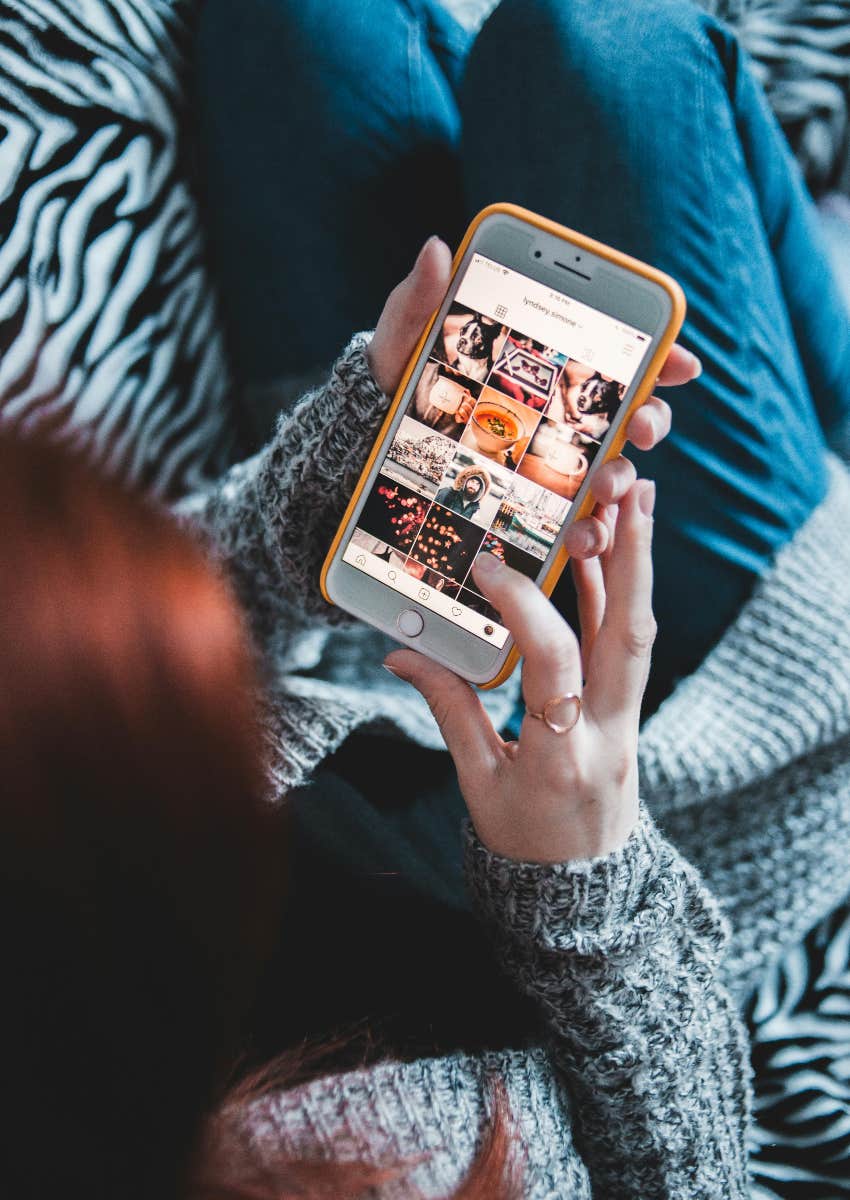
According to the Encyclopedia Britannica, Instagram, which is where most of the 2016 posts are popping up, was first available to the public in 2010. That means many people were posting photos of themselves well before 2016. The algorithm doesn’t really need these 2016 posts to train facial recognition software when it already had the photos in the first place.
 Erik Mclean | Pexels
The more likely explanation for the 2016 pictures trend is that people are just feeling a bit nostalgic. USA Today reporter Kate Perez said, “Before people began posting pictures of themselves, the desire for nostalgia from 2016 was already growing. Videos have circulated on social media platforms like TikTok for years, hoping 2016’s vibes, memes, and culture would return.”
Nowadays, it can be hard to feel entirely comfortable dismissing any conspiracy theory you come across, especially when it involves AI. But, it seems safe to say that the 2016 throwback trend is just that — a trend. If you’re really worried about social media having access to photos of you, then you shouldn’t be using social media at all.
Mary-Faith Martinez is a writer with a bachelor’s degree in English and Journalism who covers news, psychology, lifestyle, and human interest topics.
