
People Who Stay Broke Even When Their Pay Goes Up Usually Make 11 Seemingly Small Mistakes
 Andrii Iemelianenko | Shutterstock
Everyone has their own way of managing their finances, yet there are common habits of people who stay broke, no matter how much money they make.
Don't worry, it's not just you. Most Americans feel anxious about their financial situation. But by becoming more aware of spending patterns and making a commitment to approaching their finances in a mindful way, these self-defeating habits can be broken.
People who stay broke even when their pay goes up often make these seemingly small daily mistakes:
1. Not making a budget
A common habit of people who stay broke no matter how much money they make is not keeping a budget. Credit cards and services on all of our phones make it easy to spend without considering repercussions. There’s a certain dissonance between using your phone to buy things and being aware of how much money you actually have to spend.
Budgets raise anticipatory anxiety, which is why so many people don't use them. The idea of budgeting is often scarier than actually doing so and once someone gets into the habit, it can actually feel liberating rather than restrictive. They know what's coming in, what needs to be spent, and they can simply stop worrying about it.
2. Ordering food out
It doesn't matter if they’re sitting in a restaurant or ordering delivery from the comfort of their couch, the cost of not cooking at home adds up fast. Yes, groceries are expensive and most people right now are feeling the pinch. But, in general, dining out (or getting take-out) should be part of your budget so you know how much you can actually do it.
According to the National Restaurant Association, the Consumer Price Index for dining out went up by 3.8%, marking its slowest growth rate since April 2021. Average wholesale food prices rose 4.5% above last year’s prices. As a result of those costs, menu prices increased by 3.6% over the past year.
As the National Restaurant Association points out, average food prices are still “well above” pre-pandemic levels. They reported that the Producer Price Index for All Food is 31% above what it was in 2020.
Eating food that someone else cooked might save time and energy, but it puts serious long-term strain on your finances, no matter how much money you make.
3. Buying special little treats
 antoniodiaz | Shutterstock
There's a stereotype of baby boomers condeming Gen Z and millennials for buying too many lattes and avocado toasts. We're not going to do that here. We all deserve treats, and coffee and little snackies aren't the reason people can't buy a home these days. That is a bigger problem, with bigger solutions.
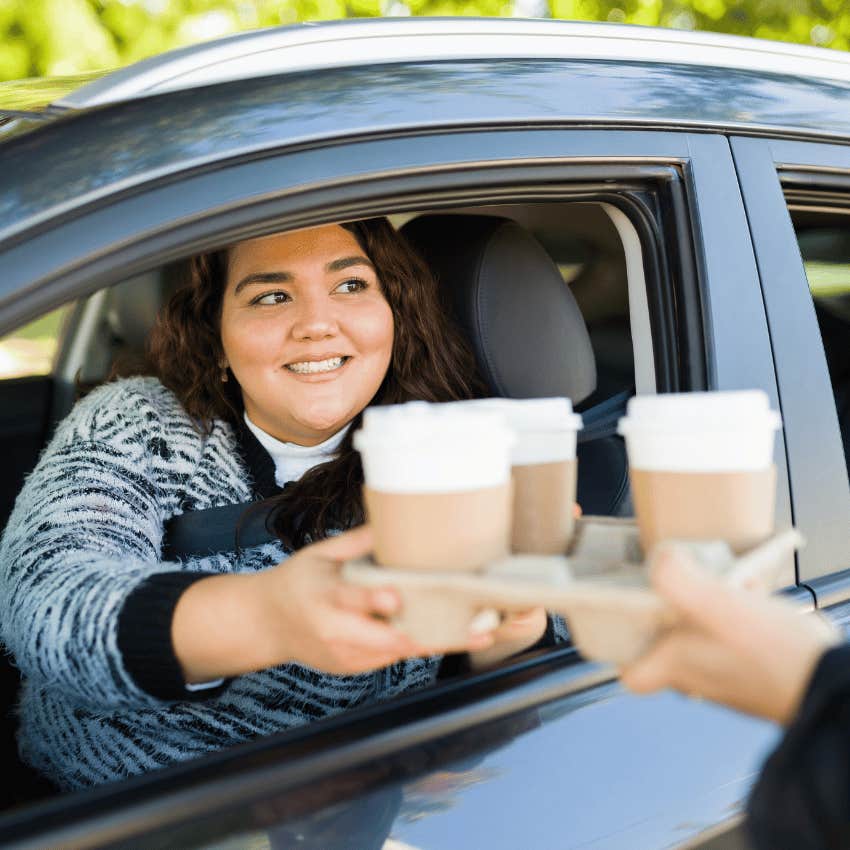
However, buying coffee out, as opposed to making it at home, is expensive. Buying a muffin to go with their coffee, or a cookie if they had a really hard week, doubles the sto. They buy $15 smoothies at the gym as a reward for working out, instead of throwing frozen fruit into their blender at home.
Generationally speaking, millennials are known for living the "special little treat lifestyle" as I like to call it, and I don't think we should give that up. But buying pour-overs every day on your way to work inevitably drains your wallet. There’s a happy medium in between those two mindsets that can save money, like having a special treat just once a week and not all the time.
Once again, it goes back to your budget. If it works for you, do it. Just be aware of how much it costs once it adds up.
4. Shopping without coupons
Another common habit of people who stay broke no matter how much money they make is going shopping without coupons. Food is expensive, as is everything else. People spend a significant portion of their income at the grocery store, and they’re getting less bang for their buck than they used to.
In 2025, the average household in America spent around $81,000. Of that, it's estimated that 12.9 percent of their income was spent on food. It’s a given that coupons save money on groceries, but using coupons can help you meal plan for the week ahead, as well, which makes life a little easier.
Some people have a solid game plan when they walk into the grocery store, but others go in like they’ve never seen food before. They weave through the aisles, grabbing whatever inspires them, which is how they forget to buy milk and wind up with multiple jars of mustard seed and five kinds of jam.
The idea of clipping coupons might seem outdated, like you’re a 1950s housewife looking for a deal on canned green beans. But saving money is always in style and using coupons is a daily routine that actually makes a big difference.
Channel your inner frugality, like you’re a living altar to your grandma in her robe and slippies, thumbing through the Sunday paper, comparing prices for pork chops. Think of it as the new cozy hobby you’re getting into. You drink your morning coffee and flip through coupon mailers as the sunshine hits the windows, just right, and you know you’re investing in your financial future.
5. Holding onto memberships they don’t use
Another common habit of people who stay broke no matter how much money they make is getting stuck with a gym membership they no longer use. Some gyms operate in a predatory way, keeping people trapped in their contract for thousands of years, but sometimes, life just gets in the way. Your schedule gets chaotic, so you start skipping spin class and you keep forgetting to call and cancel your membership, but you could really use that money for other things.
There are ways to stay healthy and move your body without spending so much money. You can take walks or stretch in your yard. You can find fitness classes online and build them into an at-home exercise routine, which is a fairly accessible and simple way to boost your savings.
This is also true for online services. Your online newspaper, monthly goodie box and so many other little things add up to be significant drains on your finances.
6. Relying on disposable household items
 New Africa | Shutterstock
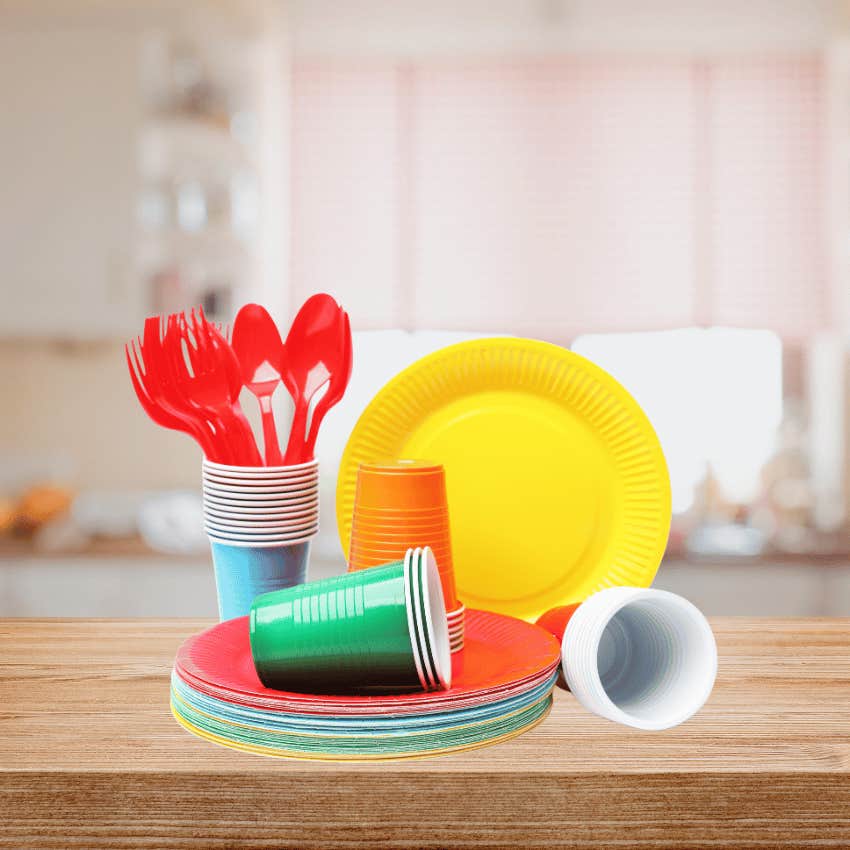
Another common habit of people who stay broke no matter how much money they make is buying disposable household items instead of investing in reusable alternatives. When you rely on paper plates, plastic cups, and other one-time-use items, you’re essentially throwing away money that could be put toward more cost-effective, eco-friendly products. Switching to reusable items might not be an easy process, but making small changes has a major impact.
You can store food in glass or plastic containers instead of baggies and tinfoil. You can use paper towels less often, and cut an old T-shirt into dishrags. When you buy products like disposable silverware and Saran-Wrap, you’re paying for convenience, but that ease comes at a high price. It’s a common habit that keeps people broke, no matter how much money they make.
7. Buying into fast fashion trends
Buying fast fashion trends is a common habit of people who stay broke no matter how much money they make. Following trends is a seriously spend-y lifestyle choice. Faux fur coats might be the thing one winter, but by the next winter, looking like a woodland creature is out, and you have to buy a new winter coat, one that matches the wide-leg jeans you just bought.
The Foundation for Shared Impact describes fast fashion as “a business model that encourages consumers to buy poor-quality clothes, worn an average of seven times before being discarded or given away.”
The World Resources Institute reports that the annual value of discarded clothing is over $400 billion, which includes the pile of shirts you donated because they weren’t in style anymore. Buying into fast fashion can give you a dopamine rush, and it ensures that you look cute on social, but it also keeps you broke, no matter how much money you make.
8. Using name-brand products
Another common habit of people who stay broke no matter how much money they make is using name-brand products when generics would suffice. While some things are worth spending extra on for the name-brand, most times, the generic label works just as well. Buying name-brand cleaning supplies is a serious money-suck, especially when you can go retro with your housekeeping routine and save.
By mixing vinegar and water, you can make a non-toxic cleaning solution to use on counters, windows, kitchen appliances, and floors. Baking soda works wonders to scrub, soak, and deodorize. Buying name brand products is a habit of people who stay broke, no matter how much money they make.
Even if you don't want to make something at home or buy the generic, you can choose a less-expensive brand. A few years ago, beauty editors and influencers blew the minds of Sephora girlies everywhere by recommending simple drug-store brand cleansers like CeraVe and Cetaphil, which cost around 12 bucks for a large pumper compared to $40 and even $85 high-end cleansers. Dermatologists everywhere rejoiced, as this was what they'd been recommending all along: keep it simple and inexpensive.
9. Ignoring small maintenance projects
 Nithin PA | Pexels
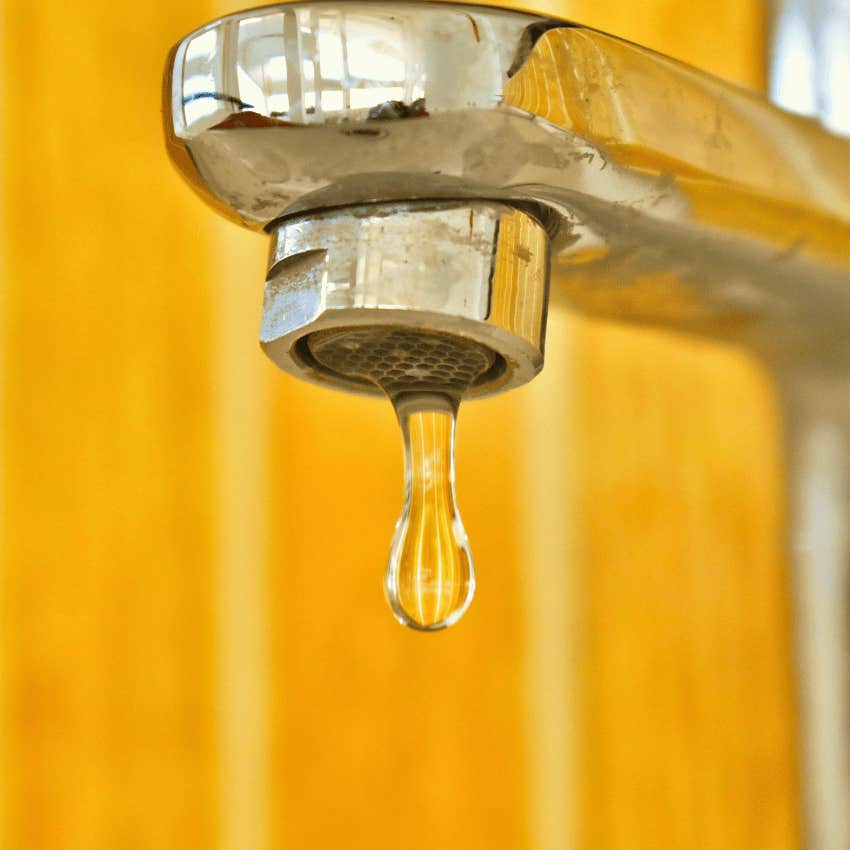
Ignoring small household projects is a common habit of people who stay broke no matter how much money they make. It’s easy to walk past the leaky faucet in the kitchen and think, “I’ll get to that later,” and then later comes, and your pipes rusted out and now, you need to replace the entire sink and the plumbing, too.
If you take care of home repairs before the damage gets unmanageable, you protect yourself from the possibility of a more expensive fix in the future. Spending time and money on your dishwasher or dryer might not be a fun way to allocate your resources, but it’s definitely worth the money you’ll save over time.
10. Outsourcing things they can do themselves
Outsourcing tasks they can do on their own is a common habit of people who stay broke no matter how much money they make. They pay to have their lawn mowed. They pay to get their groceries delivered. They pay for someone to detail their car, after their toddler orchestrated an explosion of Cheerios from her carseat. These things might not be particularly expensive every once and a while, but making them into a routine affair can add up.
While it saves precious time and energy to buy pre-cut fruits and veggies, you’re paying a high price for streamlining the meal-prep processes, which is a common habit of people who stay broke no matter how much money they make.
11. Spending money on luxury pet supplies
A common habit of people who stay broke no matter how much money they make is overspending on pet supplies. They buy expensive luxury items for their four-legged friends, like farm-fresh food and tiny designer raincoats. They buy toy subscriptions for the dog that’s just happy to rip apart some used tissues.
The American Veterinary Medical Association reports that the overall average amount of money pet-owners spend on their beloved beastie is about $1,515, excluding adoption or purchase costs. According to Rover’s “True Cost of Pet Parenthood Report,” dog essentials can cost between $1,000 to $5,225 a year, with a median monthly cost of $260.
They also report that dog food brands cost up to 80% more this year than last year, and cat food can cost up to 130% more, and 61% of pet parents said they’re spending more on pet-related costs than they did in the past.
While there’s no doubt that your tiny furball deserves a great life, their definition of a great life isn’t expensive. They want long walks with lots of smells and scratches behind their ears. They want to snooze in that spot of sun on the kitchen floor and chase their own tails, which just goes to show: the best things in life don’t cost a thing.
Alexandra Blogier, MFA, is a staff writer who covers psychology, social issues, relationships, self-help topics, and human interest stories.
