
The Type Of Relationship Millennials Prefer That Older Generations Considered Cheating
 Srdjan Randjelovic | Shutterstock
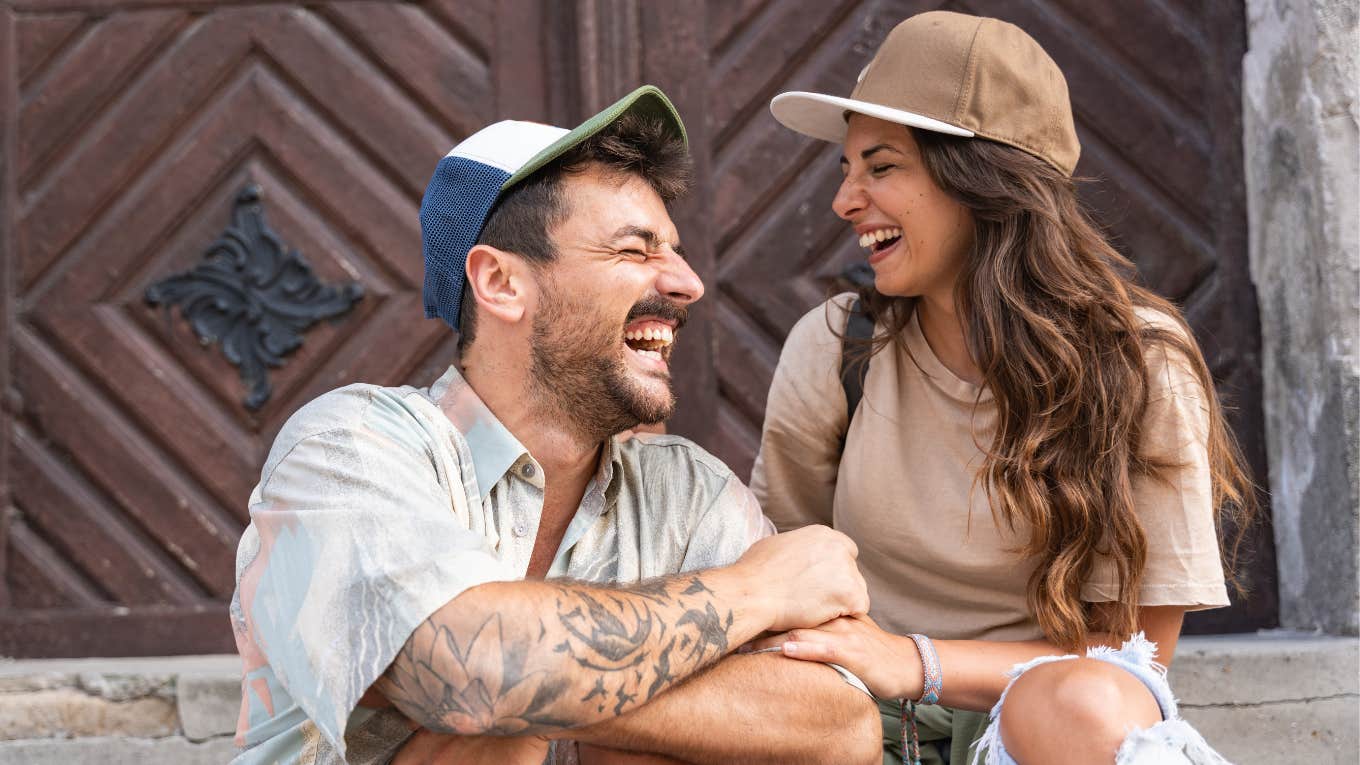
 There's a growing trend among millennials to pursue less conventional romantic partnerships that older generations would undoubtedly have considered cheating.
When it comes to relationships, love is a spectrum, spanning friendships, dating, and marriage. Those norms in relationships look different with millennials, in particular. In comparison to older generations, including baby boomers and Gen X, millennials are seeking to solve many of their relationship wants and needs on a broader spectrum that older generations may have at one time considered cheating.
According to a survey by dating site Dating.com, millennials are, more often than not, breaking from tradition in the types of relationships they pursue. These untraditional relationships shake up norms and satisfy the many different types of intimacy that they desire.
Millennials prefer to get their emotional needs met by people outside of their relationship.
There are several relationship types that millennials look for that break from tradition: “55% are open to long-distance relationships that may never go offline.” This type of relationship may fall under friendship or romance. Millennials are seeking the candor of a semi-anonymous relationship where they can open up without the hassle of in-person dramas. After all, if things go wrong in an online relationship, all you have to do is disconnect.
More controversial, however, was the stat noting, “48% are open to parallel relationships that split emotional and physical needs.” What that fundamentally means is that millennials are open to emotional outsourcing, meaning they are willing to explore separate partners for physical and emotional needs.
 Miljan Zivkovic | Shutterstock
We might hear more about ethical non-monogamous relationships (ENM) and polyamory when it comes to this generation. ENM is basically an open relationship where couples maintain a partnered relationship with a main person, but explore other people to satisfy physical needs, emotional needs, or both.
Sex therapist Jenni Skyler, PhD, LMFT, CST, told Cosmo, "Polyamory, swinging, and open relationships are all forms of ENM, but they’re all slightly different from each other.” What she stressed to the outlet, however, was that, despite what boomers might think, these parallel relationships aren't cheating as long as everyone is aware and on board.
Interestingly enough, the Dating.com survey found that when it comes to their emotional partner, millennials are looking for someone virtual. Specifically, they are looking for a platonic online soulmate to fill emotional gaps with their partner. In fact, a whopping 65% said it's easier to open up to an online companion than to a partner, and 40% think a platonic online soulmate while in a relationship isn't cheating at all.
Millennials have hit 'emotional capacity' and are looking to change relationship norms.
According to the survey, millennials say romantic relationships and platonic soulmates cannot be fulfilled by just one person. The results noted, “This year's findings show a culture that has hit emotional capacity — and is now rebuilding its relationship norms from the ground up.”
 DexonDee | Shutterstock
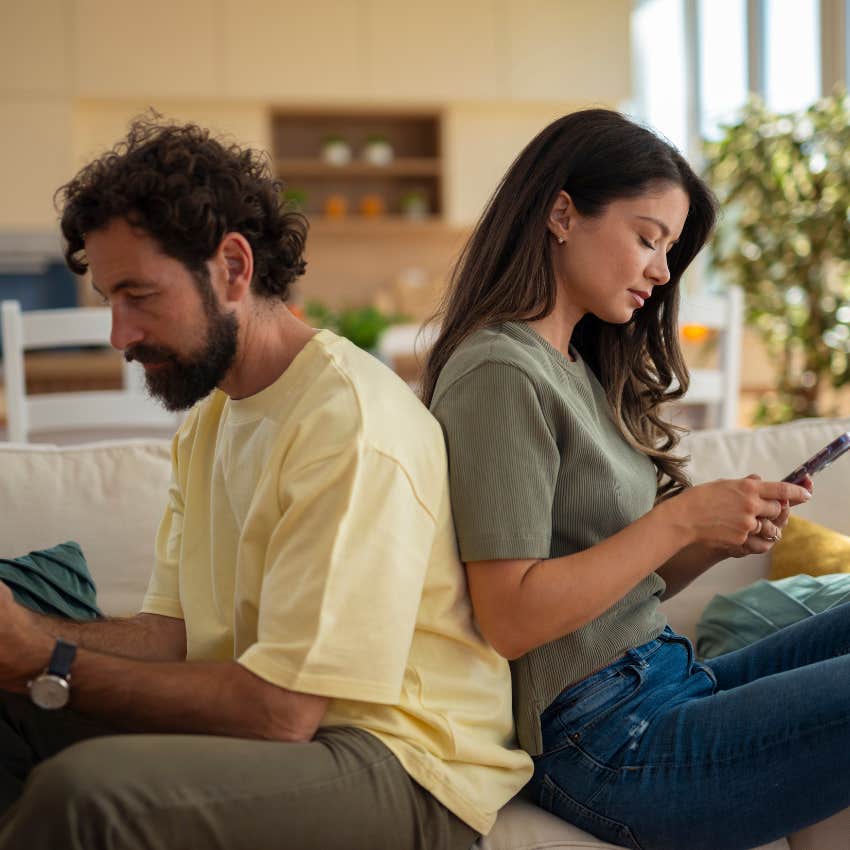
Despite the survey findings, some report that dating for older generations and younger isn’t that different. The types of relationships people are seeking are evolving simultaneously, as one, not on separate trajectories. One could argue that the world of relationships is changing. Not just for one generation, but for everyone. While that may be very much true, the idea that norms in relationships have been shaken up by the millennial generation is also true.
It may be more of a struggle to find a match with millennials because there are so many different types of matches to pursue, and not just with one person.
Friendship needs are also changing to include online soulmates.
Dating wasn't the only relationship topic the survey covered. It also discussed friendships. With close family-like friend circles in decline for millennials, “A staggering 75% say they've lost close friendships in recent years because of life changes, not fights.” 40% polled are looking for different ways to fulfill this need, like online friends and “non-present” soulmates.
I can remember my own friend group in college during the early 2000s. We were tightly knit and spent every day together, making each day a fun event. After college, many moved away for grad school or jobs, me included. My own priorities shifted toward wanting friends to act as companions for dinner parties, movies, or other shared interests, rather than a substitute family unit.
One thing's for certain, regardless of how you view what defines a healthy relationship or even cheating, these new norms in dating and friendship are changing how everyone views relationships.
It’s safe to say that, based on the survey, societal views are changing. Millennials want their needs met, and they're willing to admit that it isn't always possible with one person unless they give up on a few dealbreakers. Since that's not quite as appealing to them, other options have presented themselves. Of course, it isn’t true for everyone, but like Skyler said, as long as no one is kept in the dark, anything's game when it comes to happily-ever-after.
Laura Lomas is a writer with a Master’s degree in English and Creative Writing who focuses on news, psychology, lifestyle, and human interest topics.
