
Nearly 60% Of Gen Z Daters Hide This Aspect Of Themselves, Despite It Being More Accepted Than Ever
 cottonbro studio | Pexels
 While Gen Z is known for being more open and accepting, there is one aspect about themselves they typically hide when they’re getting to know someone new.
People want to be accepted when they’re dating, so it can sometimes feel safer to hide certain aspects of themselves to avoid judgment. Even so, transparency is a big deal these days, and it’s something that young people have fought for. It would be natural to assume that Gen Z is the most likely to be completely open when dating, but they are actually afraid to share one critical piece of their lives.
A majority of Gen Zers aren’t honest about their mental health when dating.
The Sylvia Brafman Mental Health Center surveyed 1,000 American adults “who are currently dating or have dated recently” across generations. It’s common knowledge that older generations didn’t really openly discuss their mental health, acting like it was a closely guarded, shameful secret. However, it turns out that Gen Z is the most likely to hide this part of themselves when dating.
 Liza Summer | Pexels
56% of Gen Z daters said they had attempted to hide their mental health issues at some point in their dating history. This is compared to just 48% of overall daters who said they had done something similar. Only 31% of survey participants said they were willing to be “completely open” about their mental health when dating.
Of course, people don’t choose to disclose details about their mental health based solely on how they feel about it. The other person’s reaction is also key. 23% of respondents said that they experienced partners who were understanding when they told them about their mental health issues. On the other hand, 59% said they had gone through a potential match blocking, ghosting, or distancing themselves after they shared their struggles.
It may seem like mental health is widely accepted now, but that isn’t entirely true.
Gen Z may be wise in deciding to hold off on being completely vulnerable about any mental health issues they may be facing. Data from the American Psychological Association (APA) told a conflicting story. 88% of adults in the U.S. said that you shouldn’t feel ashamed of talking about your mental health, and 83% said they feel comfortable doing so.
However, 35% said that they would “view someone differently” if they found out they had a mental health diagnosis. As much as we all might want to be accepting, that doesn’t mean we have quite reached that point in society yet.
Not everyone who discriminates against someone based on their mental health means harm, but they still cause it.
According to Dr. Simon, Kung, MD, it’s possible that someone might not even realize they’re discriminating against another person because of their mental health — it could be entirely unintentional. That isn’t going to make it easier to experience, though. Maybe that’s why separate data from the APA confirmed that young people are less likely to be honest about their mental health.
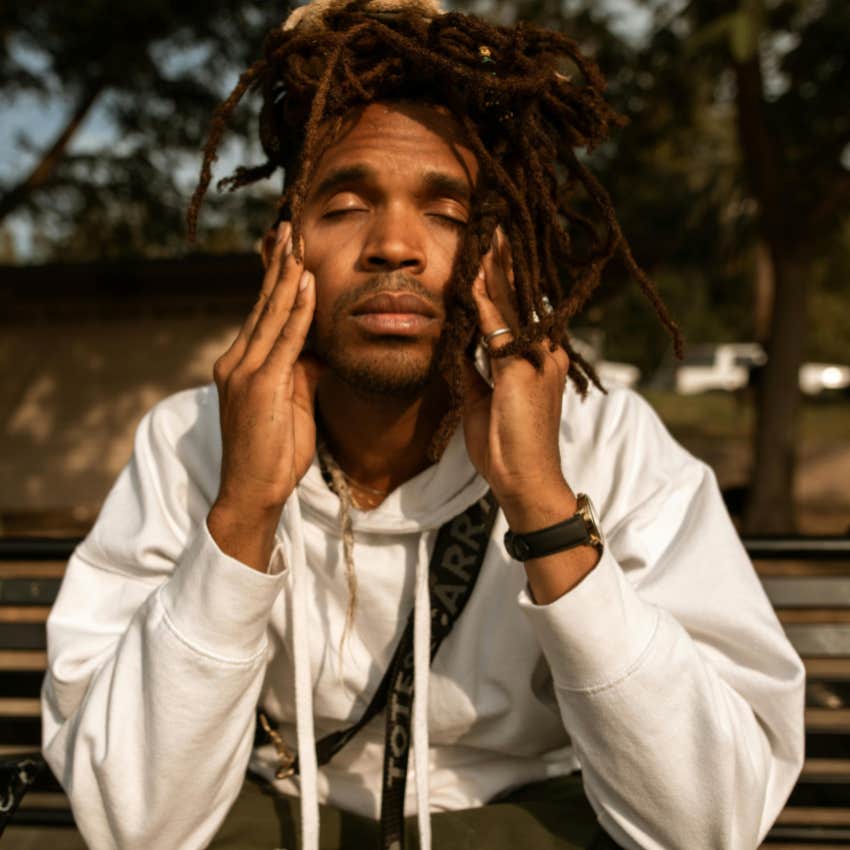 Mental Health America (MHA) | Pexels
23% of young adults said they felt uncomfortable discussing their mental health, while only 14% of those over 34 felt the same way. An additional 52% of young adults said they had actually not been completely honest about their mental health when talking with a friend, or even a health care professional.
Mental health is something that is accepted in theory, but in reality, a lot of people still feel the same stigma that has lasted for years now. Although we typically think of young people as being the most likely to open up about their mental health, they actually don’t feel safe doing so, especially when they’re dating. We still have a long way to go as a society to get rid of that stigma.
Mary-Faith Martinez is a writer with a bachelor’s degree in English and Journalism who covers news, psychology, lifestyle, and human interest topics.
