
People Born In The 50s, 60s, 70s & 80s Have Very Different Ideas Of What Made A Happy Marriage
 PeopleImages | Shutterstock
Expectations about marriage have changed a lot over the years. What was once a traditional institution focused on building a family and financial security has become a way for people to find emotional fulfillment, too.
What makes a happy marriage today isn't necessarily what people expected from their spouses decades ago. People who were born back in the 1950s, 1960s, 1970s, and 1980s grew up with different expectations about marriage, shaped by the social changes they witnessed as they got older.
People born in the 50s, 60s, 70s, and 80s have completely different ideas of what a happy marriage looks like (and what it doesn't):
 Jacob Lund via Canva
People born in the 50s believed a happy marriage was one that lasted
People born in the 1950s grew up surrounded by traditional ideas about marriage, especially when it came to settling down and starting a family. For this generation, marriage was often seen as a lifelong commitment, and enormous social pressure made it feel like it had to work. A happy marriage meant a successful marriage, and staying together often mattered more than emotional fulfillment.
Many people born in the 1950s grew up watching their parents marry young and start families, which shaped their own expectations. Women especially grew up with pressure to marry and settle down. They were also surrounded by traditional marriage advice that placed much of the responsibility for keeping a marriage together on women.
This group was taught to see marriage as a means to an end. Falling in love mattered less than building a successful family and home life. They saw a happy marriage as one that followed tradition and lasted.
People born in the 60s believed a happy marriage should be fulfilling, not just feel like survival
People born in the 1960s grew up as traditional expectations about marriage were being challenged. As they got older, they watched divorce become more common and less taboo, especially as new laws made no-fault divorce possible. They were also influenced by the second wave of feminism, which encouraged women to expect more from their lives and relationships.
 MixMedia from Getty Images via Canva
For many people, a status quo, traditional marriage wasn’t enough anymore. They wanted a true partnership built on love and friendship. When that didn’t pan out, divorce became an option they were increasingly willing to consider. Research from Bowling Green State University found that Gen Xers and millennials had similar attitudes about divorce when couples couldn't work out their problems.
For people born in the 1960s, a happy marriage wasn't just about staying together. Feeling satisfied in their relationship mattered, and they didn't necessarily believe couples had to stay married just because society expected them to.
People born in the 70s believed a happy marriage was built on a strong connection
People born in the 1970s grew up watching women gain more independence and opportunities outside of marriage. As women's rights continued to advance, this generation was exposed to the idea that marriage didn't have to be a necessity for financial security, but something people could choose for themselves.
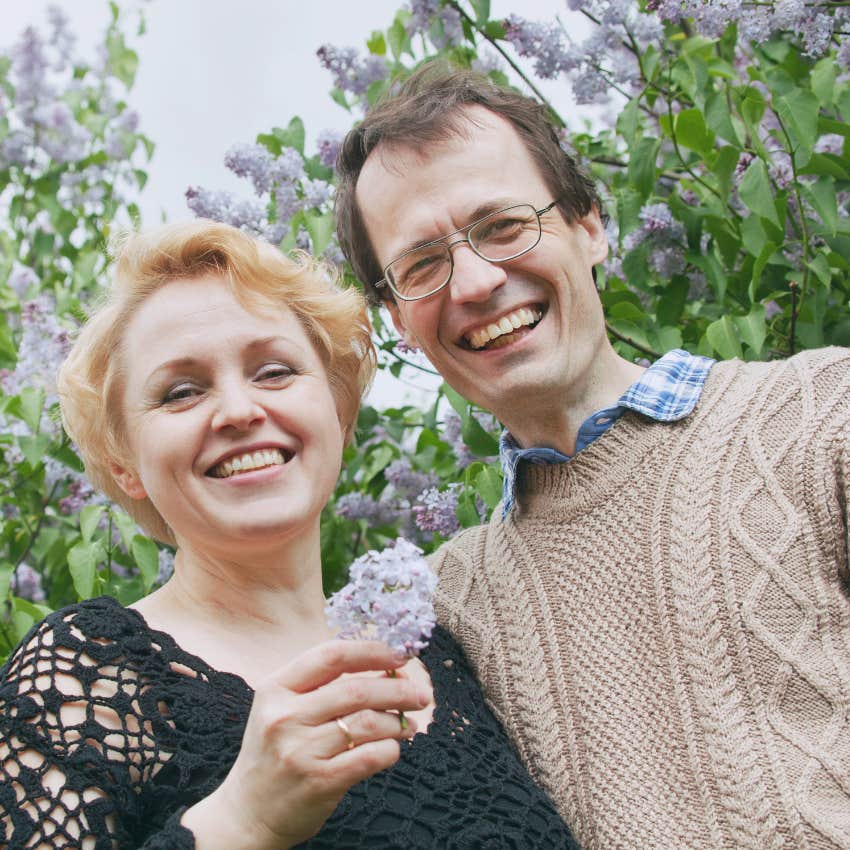 Ukususha from Getty Images via Canva
For people born in the 1970s, these changing expectations helped shape what they wanted from marriage as adults. Rather than seeing marriage as something they were simply expected to do, they could place more importance on finding someone they connected with and worked well with.
Attitudes about what made a good spouse were changing, too. According to Pew Research Center research, younger generations were more likely to value having a well-educated wife and less likely to expect husbands to be the family's main financial provider. They wanted to feel valued, and they didn’t settle for anything less.
People born in the 80s believed a happy marriage meant having an equal, supportive partner
By the time people born in the 1980s came of age, cultural trends that would have seemed shocking a few decades earlier had become the norm. Divorce had become a more accepted part of life, and people were increasingly willing to leave marriages that weren't working.
 Monkey Business Images via Canva
People born in the 1980s grew up seeing more women in the workforce, including in leadership roles. Unlike previous generations, they were increasingly exposed to relationships where women weren't limited to traditional homemaker roles. This helped shape their expectations of marriage, including the idea that husbands and wives should share responsibilities and support each other's goals.
For them, a happy marriage required spouses to support each other as individuals. They no longer saw themselves as an inseparable unit. It was fine for them to each have their own dreams, and someone who really loved them would help them reach them.
Mary-Faith Martinez is a writer with a bachelor’s degree in English and Journalism who covers news, psychology, lifestyle, and human interest topics.
