
4 Things 1950s Housewives Understood About Happy Marriages That Today’s Couples Foolishly Ignore
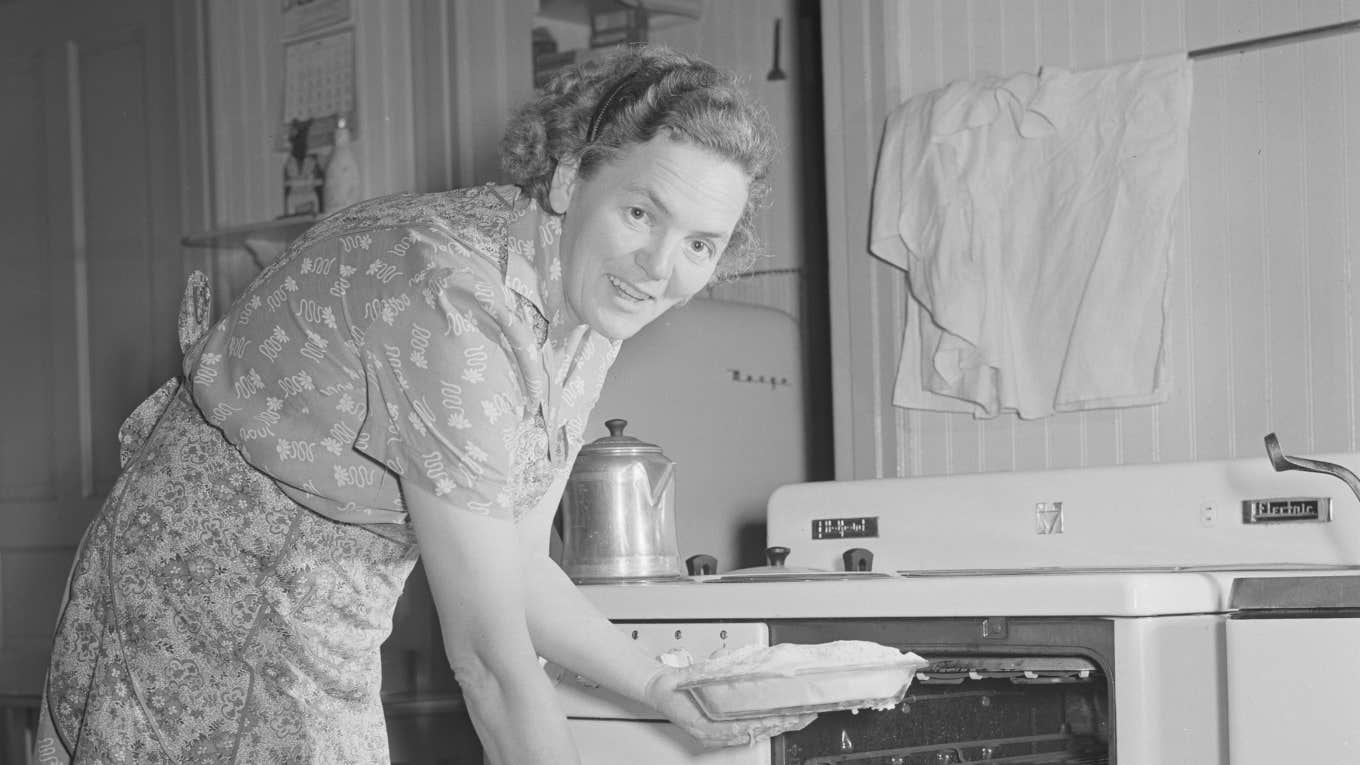 Library of Congress | Unsplash
 I love 50s fashion, but 1950s gender politics? Not so much. As much as we've come to evolve beyond the "old" way of being a housewife, I have to admit I found myself still thinking about it; there were actually some really great points that we seem to have forgotten about what it's really like to be a wife.
Am I saying women need to transform into retro wives and harken back to the days of the little happy homemaker? No, not at all, but I do think some of that retro advice can up the happiness factor in your marriage now, if you add a modern twist to it. Here's the advice I love, and how to update it for modern-day marriages.
Here are the 4 things 1950s housewives understood about happy marriages that today’s couples foolishly ignore:
1. How to plan dinner
 Stokkete / Shutterstock, Canva
Ever wonder why they call that chunk of time before dinner the Arsenic Hour? Well, it's because everyone in the family is transitioning between work, school, and home, and not only are you adjusting the roles you play, but you're tired, stressed, and tense from the day, as well. And it isn't just men who are hungry at the end of the day, so are you. (And if you have kids, they'll insist they're dying of starvation.)
Now, let's be honest, you probably spend the whole day making decisions, and we all make poorer choices when we're "hangry." With everyone nearly frothing at the mouth, it's too easy to grab unhealthy snacks or order take-out (yet again). Planning for dinner means you have one less decision to make at the end of the day, but a healthy meal is still waiting.
The best part? Planning allows you to sit down and unwind together as a family over a nice meal, which, let's face it, benefits you as much as it does them.
Bonus for parents of teenagers: Studies suggest that teens who share family meals have better mental health, decreased risk of substance reliance, and maintain a healthier body weight. Post the weekly meal plan on the fridge, where everyone can see it, so that whoever gets home first can start the meal.
PS: Women aren't the only ones who cook, sister! Men are fully capable, and it goes both ways, guys. While you may not have the desire to prep every meal like the "little woman" of the 50s, don't go to the other extreme and never make him a meal either. Food is love.
2. How to look polished
We know that clothes affect how others see us, but research shows that what we wear also affects our impression of ourselves, too. When we're in the courtship phase of relationships, we gussy up for a date. But we slack off a bit once we settle into married bliss.
Choosing to freshen up for yourself is a way to transition from work to "home mode" and a way to channel your inner goddess. You'll feel better about yourself, and the bonus? Men are visual, so the little extra effort you put into making yourself feel attractive will radiate out to him, as well, making him feel special, too. Wear what makes you feel great and maybe invest in some cute loungewear to spice up your average Tuesday evening (wink, wink).
3. How to keep a home
 Kuznetsov / Shutterstock
A cluttered home equals a cluttered mind. The pile of dishes in the sink, the mountain of laundry, and that menacing stack of mail are all in cahoots. Their goal? To distract your mind so you can't relax. Tidying up is as much for your own peace of mind as it is for your partner's.
If you're relaxed, he'll feel more relaxed, too. Now, instead of focusing on the clutter, you can direct your energy and attention toward connecting. No one says that women are the only ones who can wield a dishrag and a toilet brush; modern couples split the chores! And if cleaning is a challenge thanks to dual careers, maybe invest in a cleaning service so that no one feels anxious about a messy home.
4. How to not be a nag
Complaining makes you feel bad because it puts your focus on everything that seems wrong in your life and disempowers you from finding solutions. I certainly don't advocate burying your head in the sand and pretending problems don't exist, but there is a time and place for dealing with them. Starting a "kvetch-fest" the moment you (or your husband) walk in the door is never productive.
Each evening, set a goal of not complaining for the first hour you're both home, and focus on what's going right in your relationship and in your day. The bonus of reducing negativity, according to research from the Gottman Institute, is that doing so also reduces the likelihood of divorce. Complaints pit you as adversaries, while positive communication makes you teammates.
Healthy communication is timeless. Challenge yourself to use the "Notes" feature on your smartphone to jot down positive things about your husband and your relationship, or even just great things about your day. Share those things in that first hour of being home.
Though the thought of wearing a pearl necklace and channeling Donna Reed may feel too old-fashioned, she is the prime example of what we modern women desire in our lives. Here are Reed's own thoughts about the character she played: "I felt that I was making, for women, a statement. This mother was not stupid. She wasn't domineering, but she was bright, and I thought rather forward-thinking, happily married.”
They say a happy wife makes a happy life. "Loving, bright, forward-thinking, and happily married" sounds fabulous to me, so take these tips to heart to channel your best marriage from those seemingly outdated pieces of advice.
Debra Smouse is a life coach and author whose work has been published in TIME, Huffington Post, MSN, Psychology Today, and more.
