
5 Relationship Issues People Think Are Pretty Normal, But Are Actually Signs Of Something Far More Serious
 Rovshan Nazirli | Pexels
 Unhealthy relationship patterns are more common than most people realize. There are a lot of relationship issues people think are normal, but are actually signs of something far more serious.
There is a lack of awareness in society that this is a growing issue. Too many people don't speak up about what's really going on in their relationships because they've convinced themselves it's normal, and others turn a blind eye because it doesn't look serious enough to worry about.
The issues that cause the most long-term damage in a relationship are the things you tend to explain away or laugh off. By the time you realize the pattern has been there all along, it's already left a mark on how you see yourself and what you're willing to put up with from a partner.
Here are 5 relationship issues people think are pretty normal, but are actually signs of something far more serious:
1. Needing to know where your partner is at all times
 MAILAI | pixabay
When one person in a relationship needs to control everything, it stops being about love and starts being about power. What does this look like? Maybe they are constantly checking up on where their partner is throughout the day, and if they don't get a response right away, blowing up their phone with a flood of messages and calls.
Controlling patterns in relationships has been linked to PTSD and depression. Research revealed that nearly 40% of women in the U.S. have reported experiencing this kind of behavior from a partner, showing how common it is and how important it is to recognize it for what it is.
2. Making "jokes" that always cut a little too deep
A good person should build their partner up, not make them feel small. If they continually make their partner feel bad about themselves, that could be a serious issue. Over time, those little comments can shift the entire dynamic of the relationship, where one person starts feeling like they can't do anything right and the other holds all the emotional power.
When someone regularly puts their partner down, it slowly chips away at their confidence and creates an imbalance that's hard to come back from. Licensed professional counselor Marni Feuerman agrees that this kind of behavior often shows up as subtle put-downs that are meant to keep one person feeling smaller than the other.
3. Getting upset every time your partner talks to someone else
 Budgeron Bach | Pexels
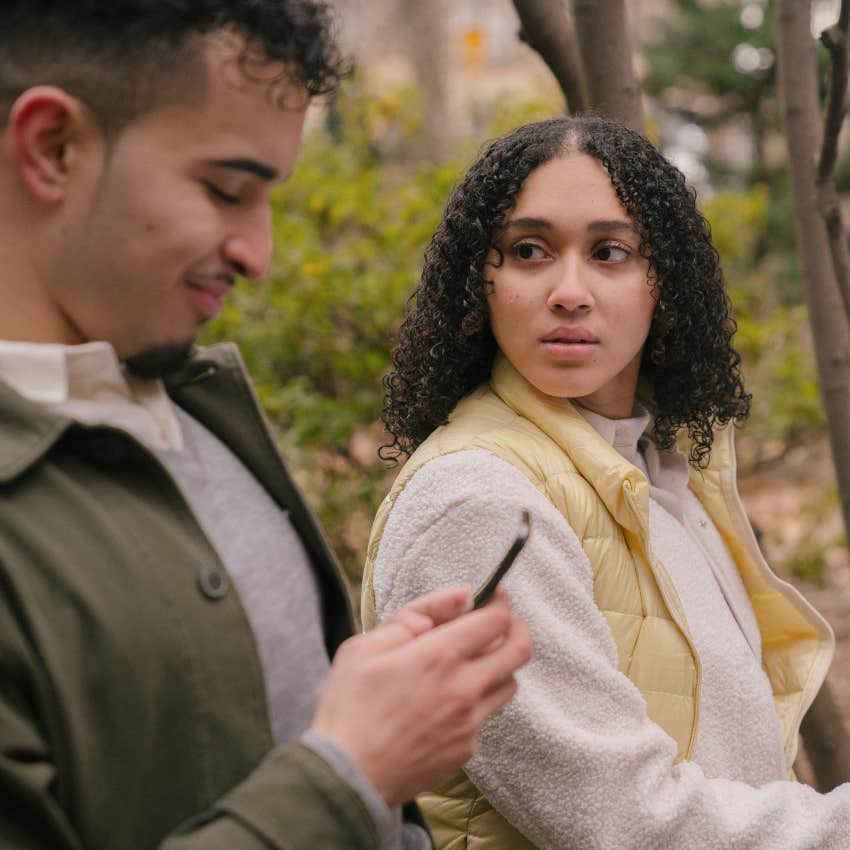
Everyone has felt jealousy once in their life, but when is it considered a major red flag? It crosses a line when that jealousy starts showing up as a need to control. For example, if they begin to use their jealousy to keep their partner from seeing friends, wearing specific clothing, or even from working.
A 2023 study found that this kind of possessive jealousy does the opposite of protecting the relationship. Because it's built on a lack of trust that chips away at comfort and connection, this behavior ends up completely destroying the relationship.
4. Saying hurtful things in the heat of the moment
Sure, a little teasing is standard for any relationship, but there comes a point when the things your partner says stop being a show of affection and start breaking their partner down instead. When a person starts calling their partner names to break down their confidence and make them feel horrible about themselves, it is a red flag.
When those comments become a pattern of targeting your insecurities, it's a sign of a deeper communication problem in the relationship. Ann Papyoti, a relationship coach, cautions, “When they disrespect you by using words to degrade, humiliate, demean, unacceptably tease, or attack your character, watch out.”
5. Pulling your partner away from the people they're close to
 dimaberlinphotos | Canva
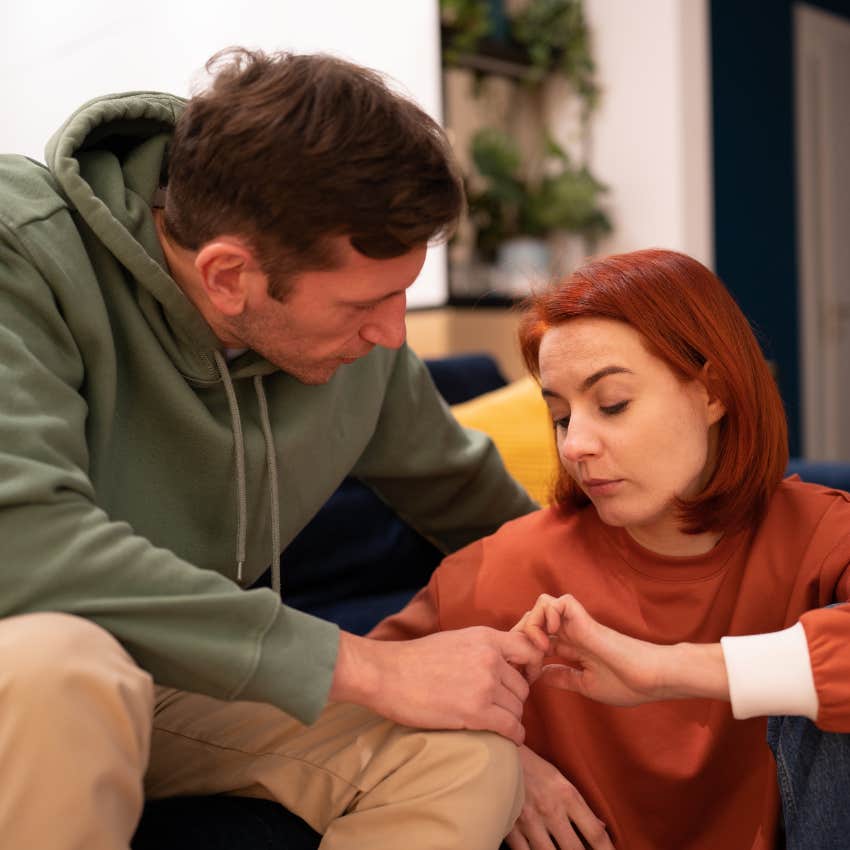
If someone feels like their world has gotten smaller since they started their relationship, that could be a red flag. This kind of partner wants their partner to rely on them and make them think they constantly need them. They do this by slowly keeping their partner away from friends and family until they feel they have no one other than their partner.
If someone finds themselves in one of these situations, they should know they are not alone! There are people who can help through this terrible situation. This journey is one someone doesn't have to take alone.
If you think you may be experiencing depression or anxiety as a result of ongoing emotional abuse, you are not alone. Domestic abuse can happen to anyone and is not a reflection of who you are or anything you've done wrong.
If you feel as though you may be in danger, there is support available 24/7/365 through the National Domestic Violence Hotline by calling 1-800-799-7233. If you’re unable to speak safely, text LOVEIS to 1-866-331-9474, or log onto thehotline.org.
Unwritten is a website that focuses on self-care, and health and wellness topics.
