
People Who Crave Mental & Emotional Freedom But Don't Know How To Get It Say 9 Phrases Almost Daily
 BearFotos | Sutterstock
 Emotional freedom sounds nice, but what does it mean exactly? On the surface, it sounds like something you'd buy on an infomercial.
While it's not a technical psychological term, emotional freedom means not being a servant to your own emotions. That means having low stress levels, little damaging thoughts, less judgmental thoughts, and an overall carefree feeling.
This doesn’t happen overnight, however, and there are techniques to help reach this level of being, including a process called Emotional Freedom Technique, or "tapping" which research shows has a lot of emotional and even physical benefits. Most people don’t know about these techniques, however, and instead find themselves feeling trapped, saying phrases like these.
People who crave mental & emotional freedom but don't know how to get it say 9 phrases often:
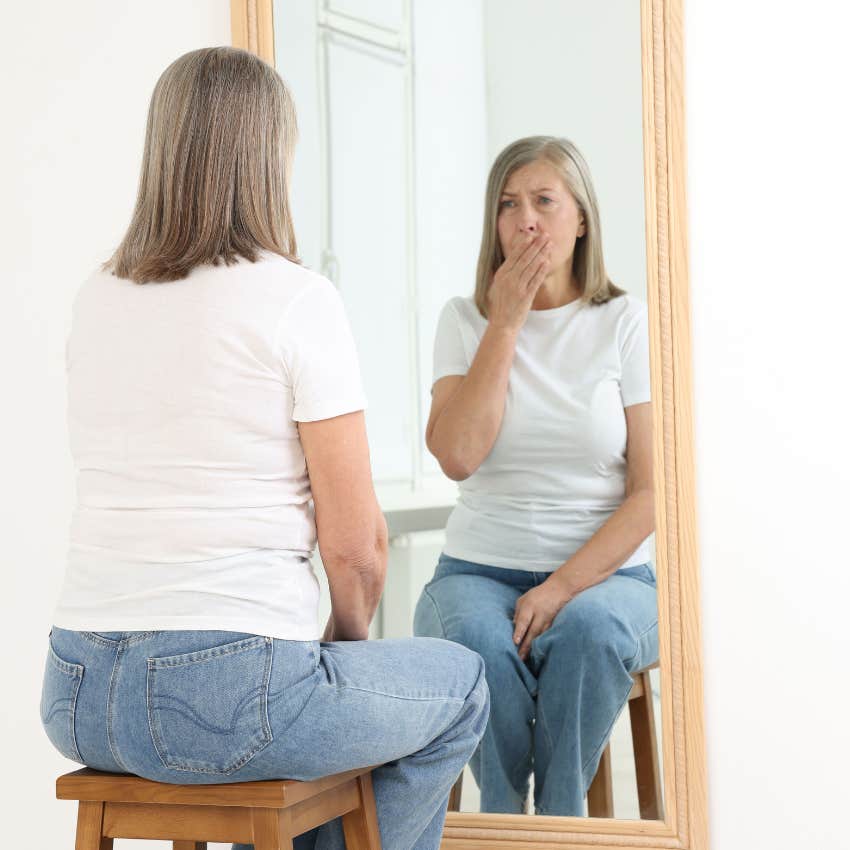
1. "I need to stop feeling like this"
 Africa Images via Canva
Part of being emotionally and mentally free is allowing yourself to feel the way you do. Identifying a feeling and accepting it allows for healing, whereas pushing it aside does the opposite. Part of the Emotional Freedom Technique (EFT) taught by many psychologists is to “create a statement that describes your issue, followed by a statement of self-acceptance. For example…’Even though I feel anxious about work tomorrow, I deeply and completely accept myself.’”
This allows you to figure out what the next step is. When you integrate this into your daily life, it makes it way less stressful. After all, you can't just wish yourself into feeling differently.
2. "Why did I do that?"
Another part of being mentally and emotionally free is not letting yourself dwell on the past. Although this is way easier said than done, living inside your head is simply no way to live. We all make mistakes and the best thing to do is accept them and move on.
The flip-side of this coin is an obsession over something positive. After all, sometimes we experience a really good time of our life and we keep thinking about that to distract ourselves from reality.
It’s important to keep that as a good memory and not something you keep trying to relive in order to escape emotional discomfort.
3. "I’m so stupid"
Part of not dwelling on the past is learning from your past mistakes. Those who keep repeating the same mistakes over and over again in their heads are never going to be freed from these burdens. Worse, the more they tell themselves negative things about who they are, the harder it's going to be to feel truly free, emotionally.
This is why EFT is a great technique for people with PTSD. It helps divert the energy from the traumatic experience to the present moment. PTSDUK describes it as “pure therapy gold.”
4. "I can’t handle this"
 dimaberlinphotos via Canva
People who are not emotionally free have very limiting beliefs. They believe that they don’t have the tools to go through any sort of conflict in their life. This can feel like emotional numbness. Dr. Susan Albers, a psychologist, explains that this type of shutting down is a defense mechanism.
For example, if there is any sort of stressor in somebody’s life, instead of dealing with it in the healthiest way possible, they will just say “I can’t handle this.” It’s their brains way of protecting them. While it may feel pleasant to shut down for a few moments, it's the furthest thing from emotional freedom.
5. "I don’t like myself like this"
Those who are emotionally and mentally burdened tend to have low self-confidence when challenges arise. In contrast, those with high self-esteem are able to not treat life challenges as a blow to their ego and instead see it as a learning experience. That means they take more risks and are not afraid to fail.
Being afraid is an uncomfortable way to live, and that's why so many people who feel emotionally burdened don't like themselves as they are. They tend to stick to the status quo because they are too afraid to fail. Until they start doing the work, they likely won't be able to break this cycle.
6. "That’s just the way it is"
Part of being stuck in limiting beliefs is believing nothing can change. This includes people's personal lives and the world as a whole. Before someone can really get past their emotional roadblocks, they need to start believing their world (and they themselves) can be different. Better, even.
Part of being emotionally free is learning from past mistakes and changing your daily habits to match the new version of you.
Those who don’t understand this don’t believe they can achieve anything other than what they have. For example, if they hate their job, instead of actively looking for a new one, they just say "that's just the way it is."
7. "I don’t have many friends"
 Colorsandia from Komuso via Canva
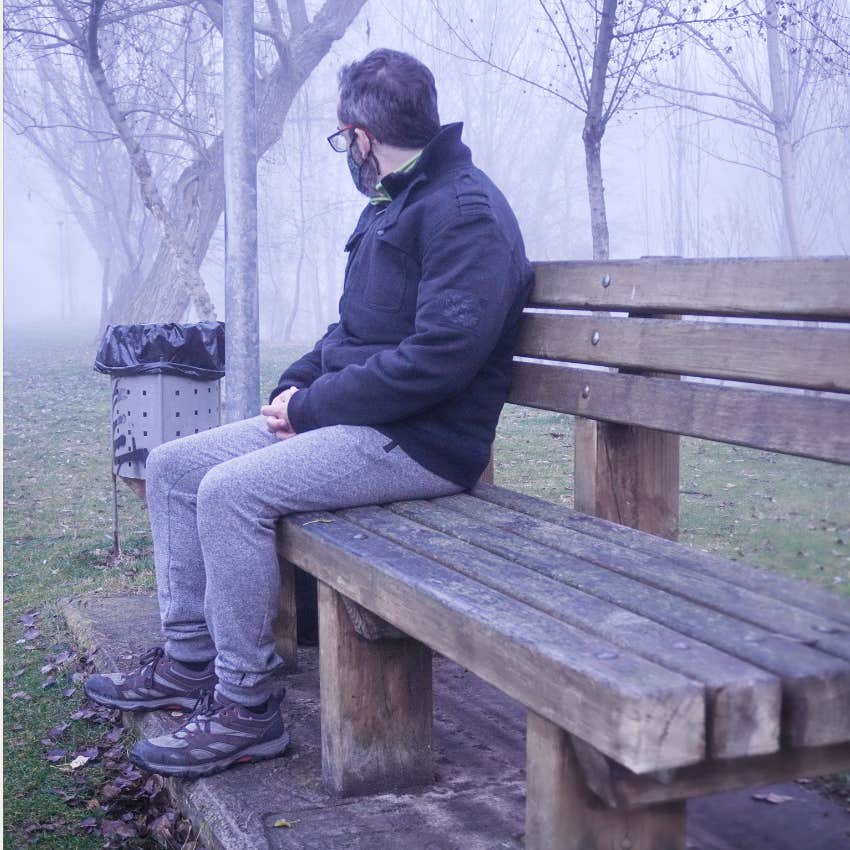
Dr. Albers also describes that a symptom of emotional numbness is not feeling connected to anybody. They feel like nobody understands them and they don’t enjoy being around people. As a result, they tend to seek out isolation because it’s a lot easier than identifying the problem at hand.
This creates a self-perpetuating cycle of sadness and loneliness unless they make a choice to do something different and start living the life they want, rather than giving in to one they think they're stuck with.
8. "Why does this always happen to me?"
Being emotionally free is realizing that life will throw challenges at you, and it’s up to you how you react to them.
People who aren’t emotionally free believe that every inconvenience that comes their way is a personal attack. They aren’t able to see that with every bad thing, there’s normally a lot of good ones too.
Those who practice gratitude and optimism are able to deal with life challenges a lot easier. This is why starting a simple gratitude journal can help people who feel emotionally stuck make some serious changes without years of effort.
9. "I need to make a decision right now"
Learning from your mistakes is one of the best ways to achieve emotional freedom. And that means not making them again.
In order to do that, you have to slow down and stop getting stuck in the trap of "I need to decide something right now" or "I need to make a big, immediate change."
These people who feel emotionally free will usually respond to a dilemma with “let me think about that” and give themselves the opportunity to make the right decision, even if it’s the more difficult one. Those who haven’t learned this yet will make a decision quickly, and then get upset when they’ve made the same mistake as the past. No wonder they feel so struck!
Sophie Bagheri is a writer with a bachelor’s degree in English and theatre who covers lifestyle topics.
