
Study Reveals An Odd Change In Dads Who Take Paternity Leave That Probably Won’t Surprise Most Moms
 Anna Kraynova | Shutterstock
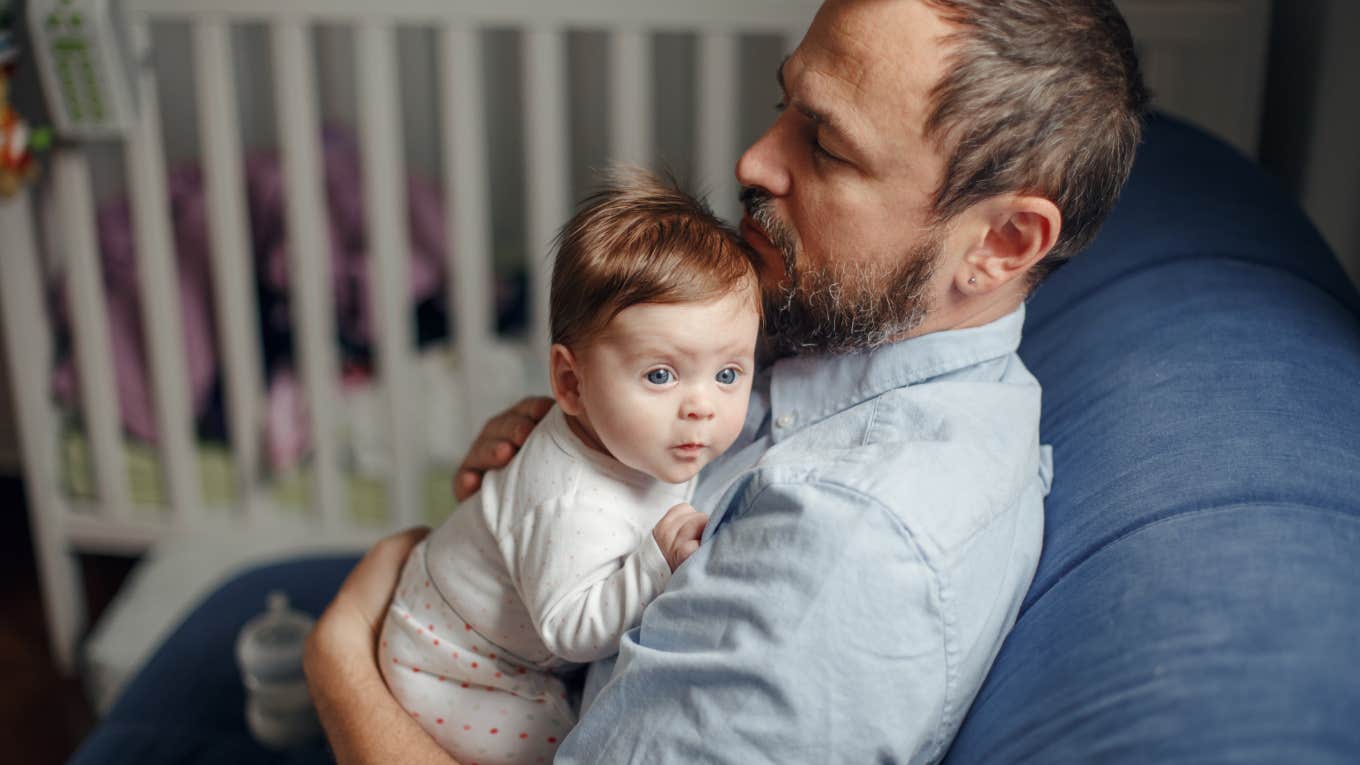
 The role of the primary parent falls most often to moms. That's why the results of a 2019 study revealing that fathers who take paternity leave and have more hands-on time with their babies change how many kids they want in the future, doesn't surprise moms at all.
In the U.S., the cultural mindset around parenting has shifted toward a more equitable balance. Yet shifts in attitude don’t automatically lead to changes being put into action, which may be why so many moms still feel as though they carry the brunt of the weight when it comes to caregiving. When dads are suddenly tasked with actual caregiving, they suddenly realize just how much work it actually involves.
A study revealed that dads who take paternity leave want fewer children in the future.
 Cristian Maciel06 | Shutterstock
The 2019 study was conducted in Spain, as researchers looked at varying reasons for the country’s low fertility rates. From 1999 on, Spain granted new moms six weeks of maternity leave at full pay and two days of paid leave for dads. Families were also granted 10 additional weeks of leave that could be taken by either parent or split between moms and dads.
Unsurprisingly, very few fathers used that parental leave, so moms were the primary caregivers in those tender, intense first months of a baby’s life. In 2007, Spain introduced two weeks of paid paternity leave, giving fathers uninterrupted time with their newborns. As of 2026, that has been reformed: dads now get a mandatory 6 weeks right after birth, followed by an optional 10 weeks.
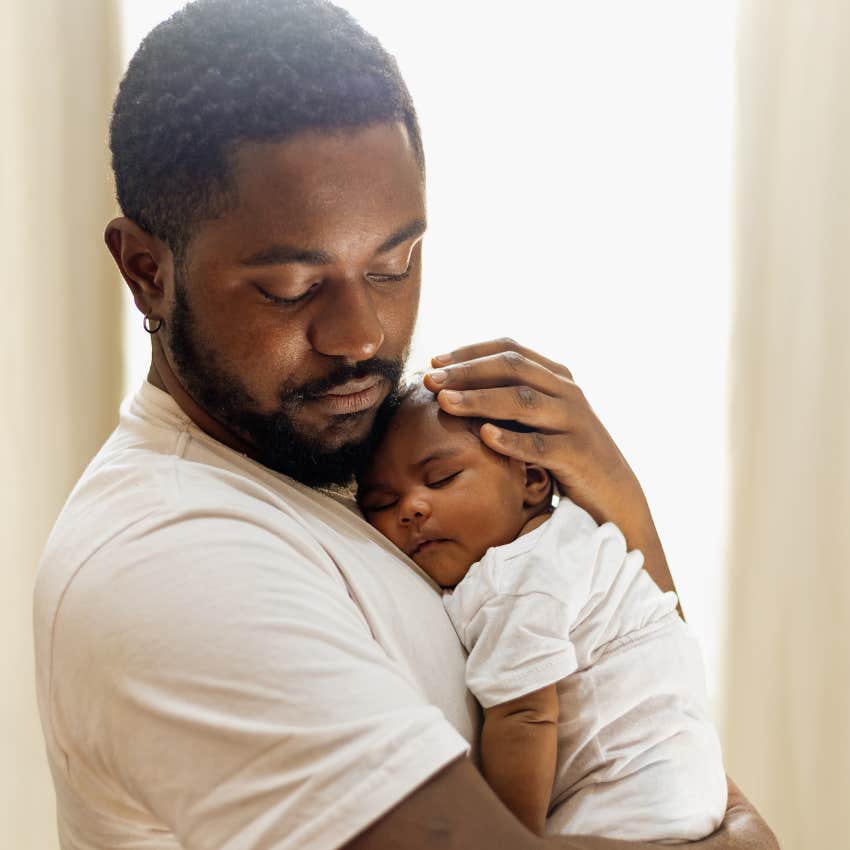
The study found that when dads took paternity leave, it led to delays in future pregnancies. Parents who took advantage of Spain’s paternity leave policy took longer to have a second child. The researchers, Lidia Farre and Libertad Gonzalez, believed that there were various factors at play when it came to couples having fewer children.
As dads were given time off to spend with their babies, many moms re-entered the workforce earlier than they otherwise would have. It’s possible that the extra support from their spouses allowed those moms to focus on their careers as much as their families.
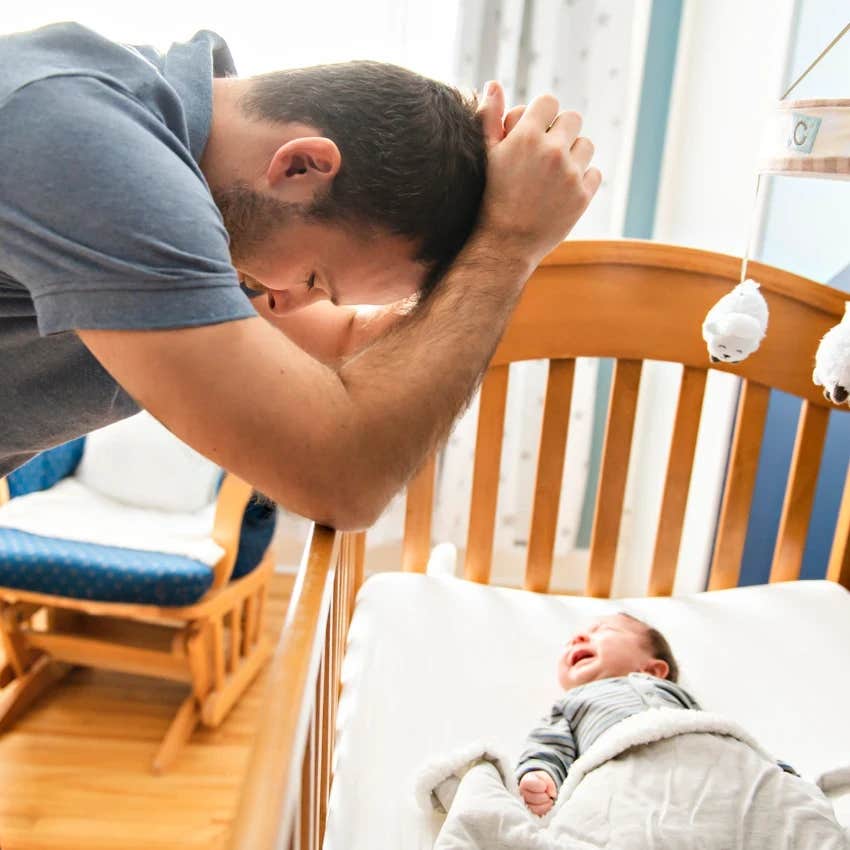
The results could signify that giving dads uninterrupted time as caregivers showed them how hard it is to take care of a baby.
 Lopolo | Shutterstock
Gonzalez believed that their trial-by-fire introduction into fatherhood could have led the dads to reconsider growing their family in the future, saying, “Dads are learning about how hard it is to take care of a child, and this new information is affecting their preferences for how many children they want to have in total.”
The study noted that the positive effects of paid paternity leave tend to ripple outward, extending past infancy into childhood. Dads who take more parental leave are more involved in their kids’ activities later on in childhood and work fewer hours overall.
Parenting isn’t instinctive; it’s a learning process. When fathers are required to be just as involved as mothers, they gain a fuller understanding of just how hard it is to soothe a crying baby or change an infinite number of diapers in a day.
We all learn from experience. If men aren’t required to be caregivers in the same way that women are, then any change to the division of household labor will be slow to arrive. Yet, as this study reveals, when equal time is provided, equal care can be given, benefiting the whole family.
Alexandra Blogier, MFA, is a writer who covers psychology, social issues, relationships, self-help topics, and human interest stories.
