
Teachers Say They Can Almost Always Tell Which Kids Use AI Instead Of Their Own Brains By These 3 Behaviors
 PeterPike | Shutterstock
 AI may be revolutionizing some things, but our brains are emphatically not one of them, according to educators at UK special education tutoring firm Bright Heart Education. They say three main impacts are emerging in kids using AI instead of their brains to do their schoolwork, and they're urging parents to intervene.
It's one thing for us grown adults to outsource some of our day-to-day efforts to AI tools, but quite another for a developing brain to do so. Experts aren't advocating skipping AI tools altogether, but rather suggesting a handful of best practices that can still allow children to learn vital cognitive skills alongside AI.
To analyze the impact of AI on students, experts at Bright Heart Education monitored the most common complaints and red flags raised by teachers of today's children, they say, resulting in what is being called "cognitive debt."
“We’re seeing a shift in where thinking happens," Dr. Ryan Stevenson, Co-Founder & Director of Bright Heart Education, says. “When children hand logic and reasoning to AI, they get less practice with the skills that make learning stick."
Dr. Stevenson was quick to add that banning AI tools entirely isn't the right solution. Today's kids will likely never live in a world without them, after all, so knowing how to use them is crucial. But it's equally crucial to take active measures to fill in the gaps AI use is creating. Here are the three ways teachers say they can tell a kid is using AI too much.
1. They outsource the very first step of thinking
Teachers repeatedly describe students coming to a question or problem and not even attempting to think it through or answer it themselves, reflexively jumping to an AI tool as their first stop.
It's one thing for those of us who are fully developed to do this, of course, but quite another for a child whose brain is still growing to skip out on the act of thinking entirely.
2. They have a low tolerance for confusion
Many teachers say kids who frequently use AI tools refuse to sit with uncertainty long enough to even be able to work through a question or problem.
One teacher who spoke with Bright Heart described a student who immediately "burst into tears" when asked to talk through their reasoning on a problem.
3. They repeatedly say 'ChatGPT says…' because they view the tool as authoritative
Educators that Bright Heart spoke to repeatedly described students "treating AI as a source of truth rather than a tool to be questioned." One educator even described medical students falling into this habit, telling them what ChatGPT had told them about a patient's cancer diagnosis.
This is perhaps the most dangerous impact of all. ChatGPT and all other AI tools are so notoriously unreliable and sycophantic that the company's own CEO, Sam Altman, made headlines last year for saying you "shouldn't trust" it at all, likely a gambit to avoid getting sued amid an increasing number of incidents of people self-harming or becoming psychotic because of what the tool has told them.
Those are extreme examples, of course, but children and young people are even more vulnerable and susceptible to confusion and disinformation than adults.
Dr. Stevenson says there are ways parents can keep the cognitive gaps AI tends to create as narrow as possible.
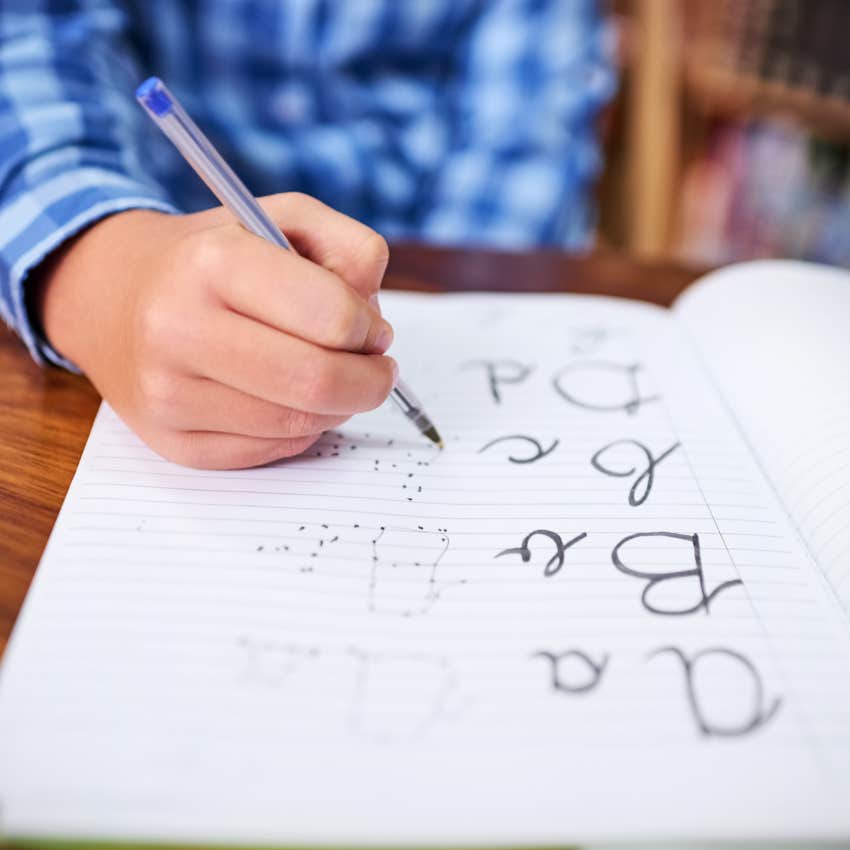
The first is making handwriting a daily ritual for 5–10 minutes. This will help kids learn not to rush, skim text, or rely on typing or autocomplete while building functional literacy habits. Dr. Stevenson suggests journaling neatly, copying a short poem, writing a paragraph, learning cursive or doing handwritten summaries or stories, shows, games, etc.
 PeopleImages | Getty Images Signature | Canva Pro
“Handwriting slows thinking just enough for children to organise ideas and self-check,” Dr Stevenson says, adding that studies show handwriting fosters much stronger learning-related brain engagement than typing.
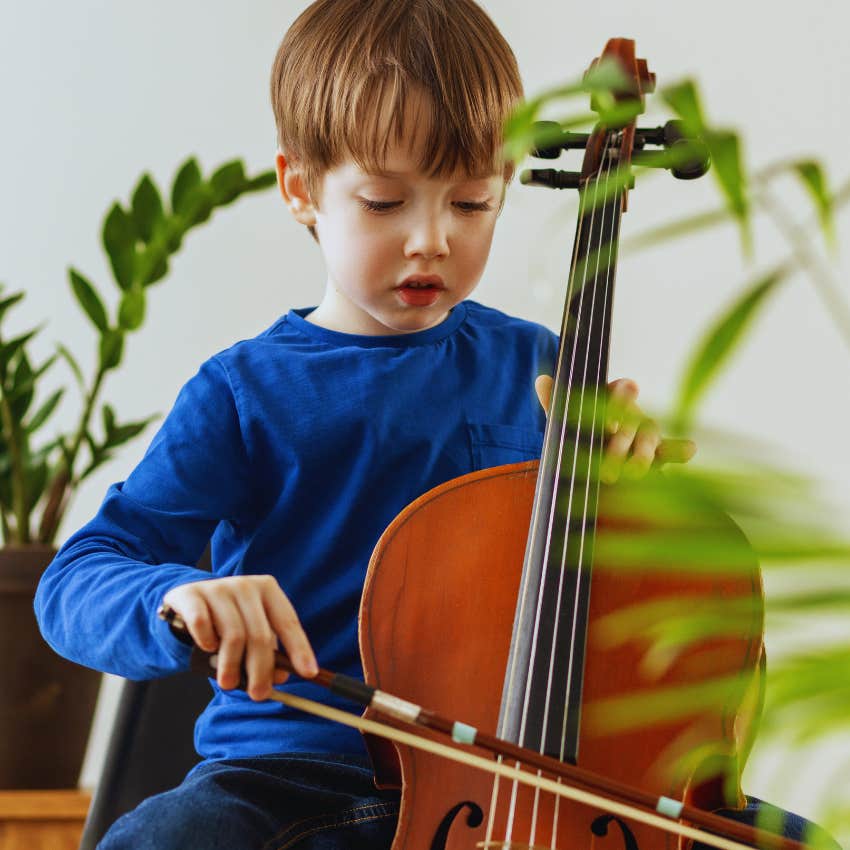
Kids who struggle with focus, persistence, or frustration tolerance, as well as those who love creative hobbies, will benefit most from taking up an instrument or singing lessons. Even "active listening" to music at home can provide benefits, according to Dr. Stevenson.
Dr. Stevenson notes that studies have shown music training in preschool children helps improve executive functions, inhibitory control, working memory, and cognitive flexibility. These are vital skills that AI can't teach.
 brusinski | Getty Images Signature | Canva Pro
This doesn't need to be a huge commitment either: 10–15 minutes of practice, 3–5 times per week, will reap major benefits, according to Dr. Stevenson. He suggests adding active listening once a week as well, by having kids listen to a piece of music and then asking them about the instruments they heard, what changes happened in the chorus, what mood the piece creates, etc.
If age-appropriate, Dr. Stevenson says things like detective stories, "whodunit" films or shows, clue-based board games, logic puzzles, and chess-style strategy games can help fill the critical thinking gaps created by AI.
"A big part of 'cognitive debt' is losing the habit of inquiry, generating explanations, weighing evidence, and changing your mind," he explains. Mystery stories and games force those skills in a fun way that strengthens core cognitive functions. "Detective thinking trains children to sit with uncertainty, test ideas, and revise,” Dr. Stevenson says. “Those are the exact mental moves that disappear when answers arrive [from AI] before the thinking begins."
John Sundholm is a writer, editor, and video personality with 20 years of experience in media and entertainment. He covers culture, mental health, and human interest topics.
