
People Who Never Feel Safe Getting Their Hopes Up Usually Say 9 Things In Casual Conversation
 Krakenimages.com / Shutterstock
 Certain people have a hard time getting excited about good things, even when life appears to be going their way. Lowering their expectations is easier than being hopeful, so they keep themselves emotionally prepared for disappointment.
It might sound like pessimism, but really it's self-protection. These people have learned to keep one foot out the door, just in case things don't go their way. Their everyday language can reveal just how carefully they manage their expectations.
People who never feel truly safe getting their hopes up for anything tend to say these phrases in their casual conversations.
1. 'I'm keeping my expectations low'
 fizkes | Shutterstock
When people assume that things won't work out, they usually prefer to be pleasantly surprised rather than deeply disappointed. Getting too excited feels like tempting fate. So, they prepare themselves for the very real possibility that nothing will come from it.
Using this phrase is how they maintain control. If they expect less, they'll have a lot less to lose. It lets them stay emotionally guarded without having to admit that they care.
2. 'We'll see what happens'
A lot can be revealed about someone's relationship with hope by how they respond to a situation. They might make neutral statements that don't show them leaning one way or the other, even if they're excited underneath it all. In reality, they just don't want to say too much and risk making themselves vulnerable.
For them, staying uncertain feels safer than making assumptions. If things go well, then great! They can enjoy it. If they fall apart, on the other hand, they can tell themselves they never expected much in the first place.
3. 'I don't want to jinx it'
It might come across as light-hearted, but people who say they don't want to jinx a situation can sometimes feel uncomfortable being committed to a possibility before it's certain. They might have exciting news or a promising opportunity, but they hesitate to talk about it too much.
Keeping quiet protects the moment in their mind. They don't want to get carried away or celebrate too soon in case the outcome changes suddenly.
4. 'It probably won't work out'
 Inside Creative House | Shutterstock
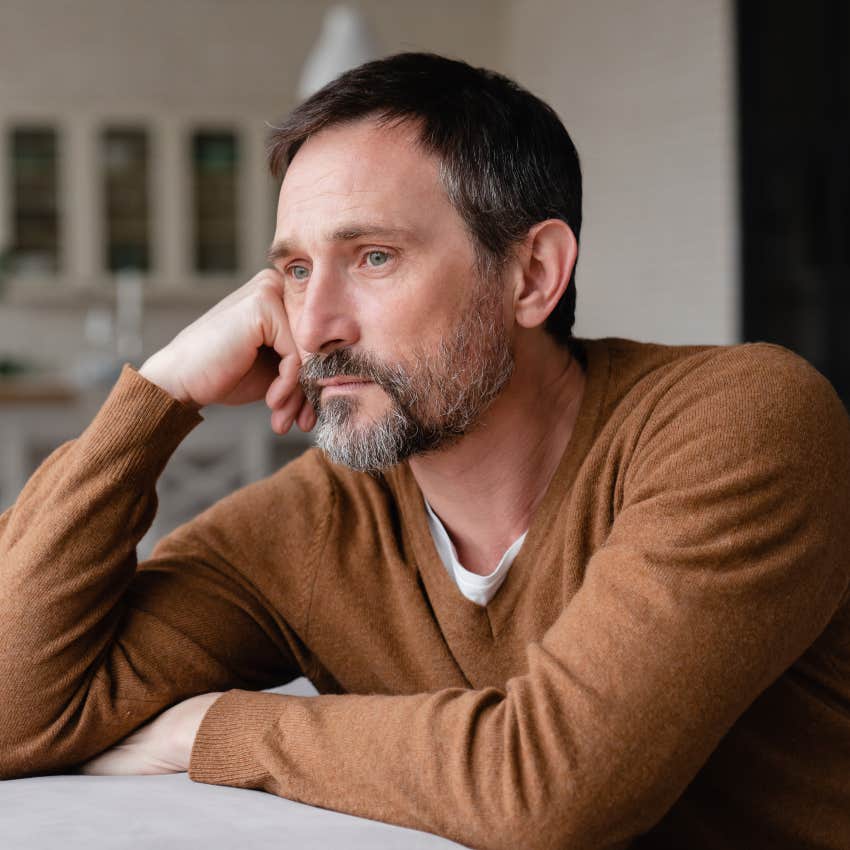
Someone who is reluctant to expect good things doesn't believe everything is totally doomed. They just try to get ahead of being let down. Saying it first gives them a sense of protection, almost like they're softening the blow before it's even happened.
This mindset comes from having experienced disappointment enough times that optimism starts to feel like a gamble. They keep their emotions at a safe distance despite part of them wishing to find out that they're wrong.
5. 'I'll believe it when I see it'
People who emotionally brace for the worst want to believe what they're hearing, but trusting a promise or prediction early on feels like setting themselves up. They have to wait for something tangible before allowing themselves to fully buy into it.
To avoid being scorned, they keep their emotions grounded in reality. That skepticism can make them come across as guarded, but it's really just wanting solid proof that something they want is actually happening.
6. 'Don't count on it'
People who struggle to trust positive outcomes tend to lower the emotional stakes in their mind before anything is settled. Even when it's fairly likely that something good could happen, they refuse to treat that possibility like a guarantee.
It can also be a habit of staying prepared for changes or unexpected setbacks. By keeping their expectations loose, they feel less caught off guard when plans shift.
7. 'Something will probably go wrong'
 oatawa | Shutterstock
Saying that something will probably go wrong is how someone who is cautious about getting excited might respond to the possibility of good news. Rather than relaxing in the moment, they immediately start looking for the catch. Their brain gets into overdrive, searching for the problem they think is hiding just around the corner.
This kind of thinking can make their life feel pretty uncomfortable. Sure, nobody wants to be blindsided by an issue later on. But even when there's no obvious reason for concern, they've already convinced themselves that the worst outcome could very well happen.
8. 'Let's take it one step at a time'
People who hesitate to believe things will work out keep their attention on what's happening right now, not imagining where a situation might lead. They may still be hopeful, but they're careful about building expectations around something that hasn't fully taken shape yet.
Focusing on the present makes uncertainty easier to bear. They don't see a need to picture the future too much or get attached to a specific outcome. That way, they can appreciate each little bit of progress they make.
9. 'I'd rather expect nothing'
Someone has probably decided that anticipation is more painful than the outcome when they instinctively keep their expectations low. They naturally protect their emotions by keeping their emotional investment very minimal.
Having no expectations to manage is relieving to this type of person. What sounds pessimistic on the surface can really be an attempt to keep their heart in check.
Kayla Asbach is a writer with a bachelor's degree from the University of Central Florida. She covers relationships, psychology, self-help, pop culture, and human interest topics.
