
Gen Z, Millennials, Gen X & Boomers All Have Completely Different Ideas Of What Home Actually Means
 Miljan Zivkovic | Shutterstock
 When some people think about home, a location comes to mind. Others feel an emotion instead of seeing an image.
As a concept, it can be the nostalgia of where you grew up. It can even simply be the place where you sleep every night. What's certain is that it’s a pretty individual thing that can change over time, and it’s heavily influenced by the generation someone is a member of.
Boomers and Gen X have a more concrete idea of home, but it’s become more of a feeling for millennials and Gen Z.
For a long time, home was a place. Older generations still associate emotions with the idea of home, but it’s primarily where they live. Younger generations are looking at home as more of an abstract concept that might have nothing to do with a building at all.
Boomers think about home in the literal sense because so many became homeowners.
Young people often joke about how easy it was for boomers to reach milestones like homeownership because of their different economic circumstances, and they aren’t wrong. Boomers still own a huge chunk of the U.S. housing market now.
 Brothers91 from Getty Images via Canva
Not all boomers chose a traditional lifestyle, but many value family and stability more than some young people do now. They were also lucky enough to join the workforce during a prosperous time when working hard really did pay off.
All of this made boomers think that the best thing they could do to cement their status in society and provide for their families was to buy a nice home after becoming financially secure. They spent time together as a family at home, so that was their escape from the world. It was a place, but it was still meaningful.
Gen X thinks of home as the place where they can be real and get away from responsibilities.
Everyone is shaped by their childhood, but there was one defining experience Gen X had growing up that impacted them more than anything else. Most of Gen X’s parents worked, so they were left to fend for themselves as latchkey kids until their parents got home.
 simona pilolla 2 | Shutterstock
This gave them an increased sense of independence that they still have now. They also didn’t want to be as devoted to their careers as their parents were, so they were the first generation to really insist on work-life balance.
This makes home a kind of refuge for them. It’s basically the place they go to get away from work, and where they can be themselves without any outside interference. It’s still a place for family time like it is for boomers, but it’s less of a status symbol.
Millennials were the first generation to think home might mean something more emotional than physical.
Millennials didn’t have an easy start to adulthood because of the Great Recession. This had a huge effect on their ability to become homeowners, so they had to consider the idea that home wasn’t just one specific location.
 pixelshot via Canva
This generation is also known for advocating for mental health and prioritizing self-care more than previous ones. They’re an emotionally intelligent bunch who want to be truly happy, and they think having lots of material possessions is far from the only way to feel fulfilled.
It’s not like millennials don’t think home can be a place, but it’s also so much more than that to them. They think the true meaning of home is feeling safe and connected to the people they care about, while also being able to build their lives around their values.
Gen Z is fully convinced that home is meant to be a feeling of comfort more than anything else.
Gen Z is still finding their footing in the world, which has made home something that’s hard to define. A lot of them have been forced to continue living with their parents to save money, so they definitely aren’t trying to buy their own houses yet.
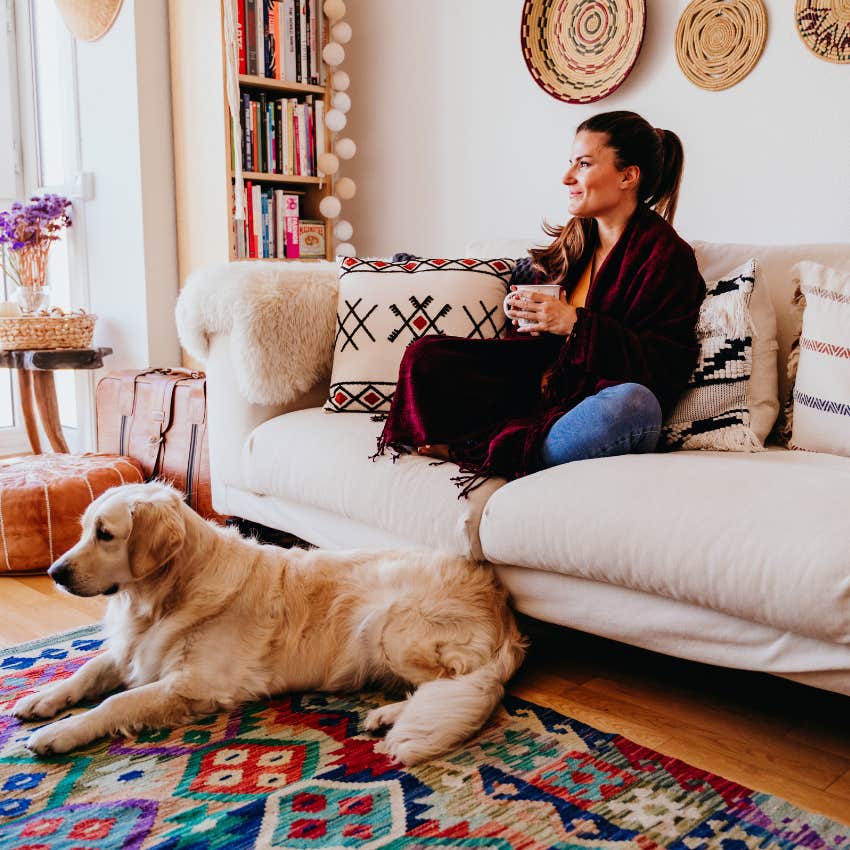 evablancophotos via Canva
Being authentic is really important to Gen Z. They’re not interested in pretending to be something they aren’t. This has made them pickier with their social circles, both in person and online.
This combination makes Gen Z think about home as a feeling instead of a place. It means they feel like they belong and don’t have to be anything less than themselves. They might associate that more with people or a state of mind than a building.
Mary-Faith Martinez is a writer with a bachelor’s degree in English and Journalism who covers news, psychology, lifestyle, and human interest topics.
