
I’m An Oncologist: 3 Simple Things I Wish Everyone Did To Lower Their Cancer Risk
 PeopleImages | Shutterstock
 As an oncologist, most of my conversations at work happen after the worst has already started. Someone is sitting across from me because a scan showed something, and now we're talking about what comes next after a cancer diagnosis.
I've had that talk more times than I can count. And almost every time, the same question surfaces, from the patient, from a spouse, from the daughter who drove them in: Is there something I could have done?
It's a hard question to answer in that room. But there's a much better time to ask it, and it's long before anyone lands in my office, on an ordinary day when you feel completely fine.
You can't take cancer risk to zero: Age, genetics, and plain bad luck all matter, and no green smoothie outruns your family tree. But a few things genuinely move the odds. If you smoke, quitting is one of the most powerful cancer-prevention steps you can take, so that belongs at the top of the list. After that, these are the three I come back to.
As an oncologist, here are three simple things I wish everyone did to lower their cancer risk:
1. Stop interrogating one 'bad' food; look at the whole plate
 Okrasiuk / Shutterstock
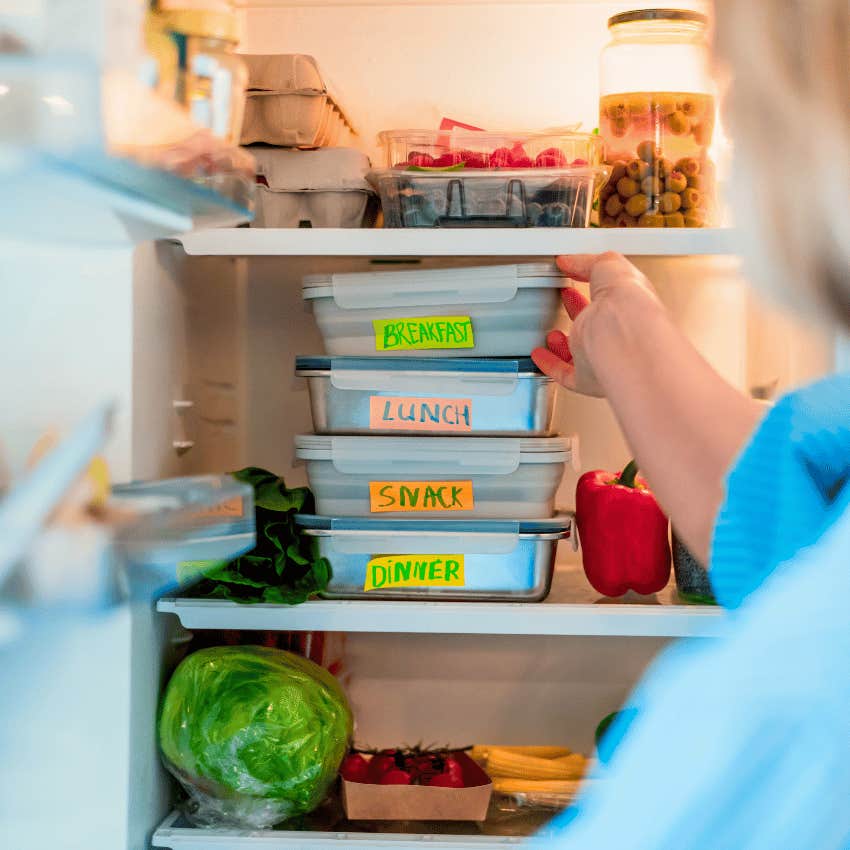
People ask me constantly whether one thing causes cancer. Red meat? Seed oils? The char on the grill? Wrong question. What matters is how you eat in an ordinary week, repeated for years. If a big share of your day is sugary drinks, processed meat, packaged snacks, and food you eat standing over the sink, that's the pattern to change.
You don't need a perfect diet. You don't need to spiral over a cookie or Friday takeout. A diet built on ultra-processed food is linked to weight gain and worse health over time, and excess weight is itself a real risk factor for several cancers. One cookie isn't doing that. Ten years of habits might.
The fix is never a total overhaul. Swap one soda for water. Trade the vending machine for fruit or nuts. Add a vegetable to a meal you already make. Small, boring, repeatable.
2. Test your house for the risk you can't see coming
This is the one that makes people tilt their heads. Test your home for radon. It's a radioactive gas that rises out of the ground and collects indoors. You can't see it, smell it, or taste it, which is exactly what makes it dangerous. It's the second-leading cause of lung cancer in the U.S., behind only smoking.
Here's the hopeful part: unlike most things people fear, you can actually measure it. A home test kit is inexpensive and takes almost no effort. If your levels come back high, a mitigation system can bring them down substantially.
I've watched people lose sleep over trace chemicals in their shampoo or the plastic in their water bottle, then never once check the air in the bedroom where they spend a third of their life. If you've never tested, do it this month.
3. Get screened for cancer while you still feel fine
People get this backwards. Screening isn't something you wait to do until something feels wrong. The whole point is to look for cancer, or precancerous changes, before symptoms appear. It's for the healthy version of you.
Depending on your age and history, that's a mammogram, a colonoscopy, cervical screening, or a low-dose lung CT. For most people at average risk, colon screening starts around 45 and breast cancer screening generally begins at 40. Some current and former smokers qualify for a yearly lung scan. Family history can move those dates up, sometimes a lot, so know yours instead of guessing.
And a colonoscopy does something unusual: it doesn't just find cancer. If a precancerous polyp is found, it can often be removed on the spot, before it has the chance to become colorectal cancer. That's more than early detection. In some cases, that's actual cancer prevention.
Don't wait for a reminder. Portals go unchecked, and "I'll get to it" quietly becomes five years. Look up when you're due, ask your doctor, and put it on the calendar like an appointment you can't move. Because it is.
None of this is glamorous. It's not a cleanse, a supplement, or this week's trend. It's eating a little better most days, checking for the danger you can't sense, and showing up for the boring test before anything hurts.
As an oncologist, I can't promise it keeps cancer out of your life. I've watched it find people who did everything right. But I've spent enough time on the other side of that desk to know I'd rather have the odds on my side. These are the levers worth reaching for.
Dr. Avishek Kumar is a board-certified medical oncologist based in Edison, NJ (NYC metro). He focuses on modern, evidence-based cancer treatment, second opinions, and infusion therapies. He also serves as a Lieutenant Colonel in the U.S. Air Force Reserve as a flight surgeon. He has deployed overseas and regularly flies on fighter aircraft in support of operational missions, bringing a high-performance, mission-driven mindset to medicine and leadership.
