
The One Skill A Clinical Psychologist Says Matters More Than A Kid's Grades, Talent, Or Confidence
 StefanDahl | Canva
 One of the major underlying issues that I see plaguing clients is rigidity. They find it very difficult to be flexible about change, which is a tremendous problem, as change is constant. Here are some examples of inflexibility and the inability to change your perspective when needed.
- Parents who find it difficult to allow their kids to have more independence as they get older
- People who cannot get back on track after a breakup or divorce, and assume that they will be single forever
- People who base their entire identity on a certain career path, and cannot conceive of any other option, even if they are actually miserable in this career
- Couples who feel stuck in their unhappy marriages and cannot see any possibility for change, like in depressed marriages
- Teenagers who lose a friendship and cannot believe that it would be possible to make other friends
- Young adults who are unhappy with how dependent they are on their parents, but think they are too weak or ineffectual to function independently (financially or emotionally)
When people have rigid worldviews and feel that there is only one path forward, they are at significant risk for anxiety and depression. They are very anxious about achieving or maintaining a certain goal, because they think that any deviation from it would be terrible. And if they fail to achieve or maintain this goal, they feel hopeless, depressed, and self-loathing. This makes sense within the context of thinking that there is only one “right” or “good” way to live.
The one skill a clinical psychologist says matters more than a kid's grades, talent, or confidence: flexibility
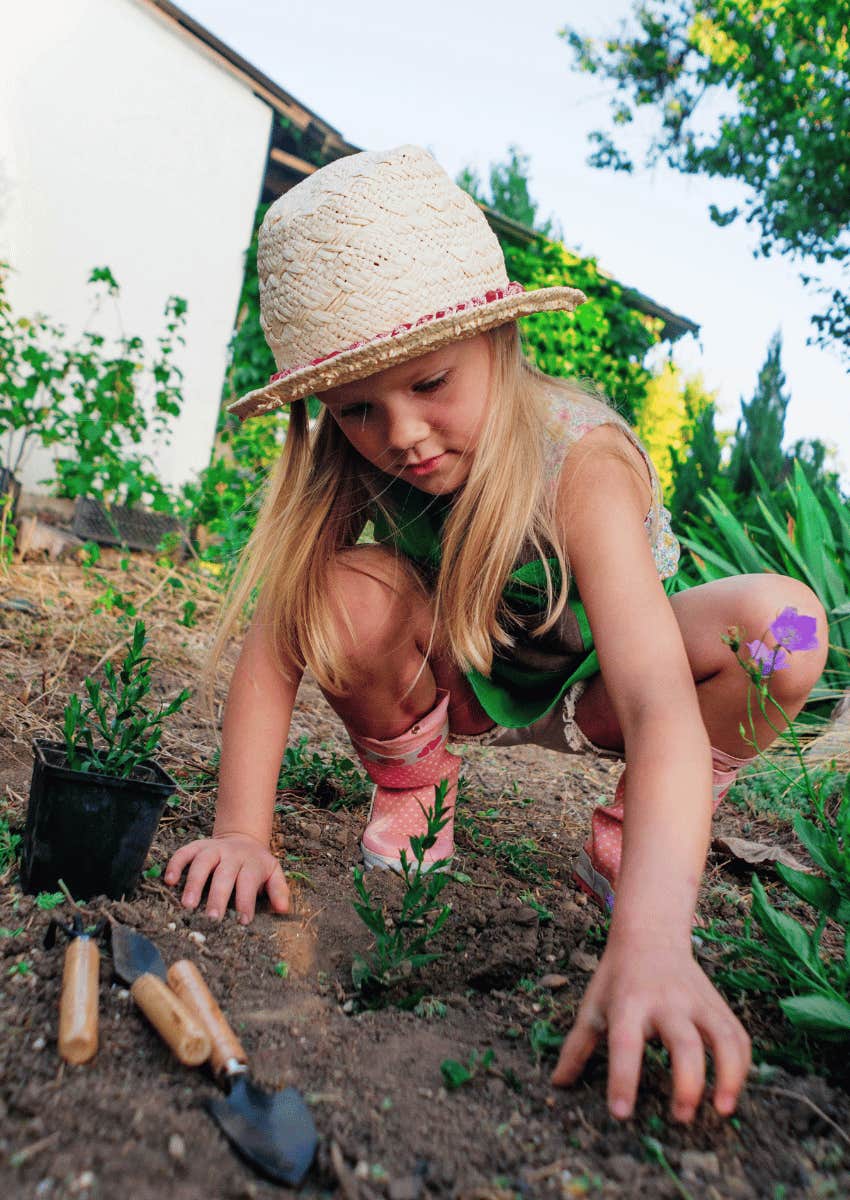 Getty Images / Unsplash+
By flexibility, I mean the ability to change course when one direction isn’t working out for you.
If you inculcate flexibility as a value in your young children, they will find it a lot easier to navigate optimistically through life. Doors closing will not be seen as a cause for anxiety, anger, or depression. Rather, your child will look for a window to open.
On a very important note, when young people think there are no options, this massively increases their risk of attempting suicide. When kids kill themselves after being cyberbullied or humiliated by peers, it is evident that they saw no way out.
There was no option in their minds for their lives besides going back to school the next day and seeing these same people and going through the same horrible stuff day after day. This is why I always tell my kids, “Life is not a trap.” Meaning, there are always ways out of every bad situation. If anything ever happens to one of my kids socially or otherwise, and they feel there is no way out, I tell them to come to me, and we can figure out a way forward, even if it takes a lot of effort.
For example, if my kid were massively depressed and felt hopeless about life because they were excluded socially at their high school, I would rather move to another school district or homeschool than have a kid who I felt was at risk of suicide. When your kid feels like “suck it up” is the only option, they always have another option: to remove themselves from the equation entirely.
Teaching them that life is full of options can at least partially inoculate them against severe depression and suicidality. As with any area of parenting, kids will mostly do what you do, not what you say.
 Patricio Ledeill / Pexels
So, it is your job to model flexibility for your children, not just tell them to be flexible.
Here are some examples of parents modeling flexibility for their kids:
- You lose your job. Instead of having your kids overhear you telling your partner that this is the end of the world and the worst thing to happen, you let them overhear you talking about applying to new jobs and how maybe you can find something even better.
- Your hairstylist cuts your hair too short. Instead of sighing and looking sadly in the mirror, you say something like, “Well, that wasn’t what I expected, but I’m going to own it and look up some cool ways to style this.”
- You burn dinner. Instead of self-denigrating comments or making some sad-looking sandwich, you say, “This is a good time to try that other recipe I was thinking about. Want to help?”
Interestingly, flexibility may be at odds with a common parenting goal of “teaching my child not to be a quitter.” For example, while I am all about the idea that if you paid for a season of baseball, it would be good for your kid to persevere through a season of baseball, it is also a good lesson that if you realize you hate baseball, you don’t have to be doomed to do something you hate.
If your kid hates baseball that much after the first few times, let them pay you back for baseball and/or come up with some other idea you can both flexibly come up with. For example, if your primary motivator for signing your kid up for baseball was to give him some exercise, tell him that if he commits to jogging with you every week at the time baseball would have been, then you’ll let him stop going.
As a basic motto, try not to unintentionally convey to your child that adult life is filled with obligations and things you don’t like, and that the only things to look forward to are vacations and retirement.
This leads to a very depressive, inflexible style of thinking that many of us parents were raised with, which we don’t really want to pass down to our kids. Try to model that there are many options in life, and if you can learn to roll with the punches, being flexible about different possibilities, you have a high likelihood of being a productive and happy adult.
Dr. Samantha Rodman Whiten, aka Dr. Psych Mom, is a clinical psychologist in private practice and the founder of DrPsychMom. She works with adults and couples in her group practice, Best Life Behavioral Health.
