
Here's How Much Returning To The Office Will Cost Workers In 2026, According To A Study
 GaudiLab | Canva Pro
 If you've faced a return-to-office mandate in recent years, you know they're costly. But just how much is returning to the office going to cost workers in 2026? A new study has the answer, and it's pretty staggering, especially for certain parts of the country.
From commuting and childcare to food and pet sitting, going back to the office racks up all kinds of annoying expenditures. In fact, a 2023 report found that going back to the office full-time costs workers about $12,240 per year. Of course, total costs vary by state, and new data from payroll company SensaPay analyzed average costs per state that workers are likely to face if they return to the office, just to cover commuting and eating away from home.
Which is already pretty wild out the gate: Those costs don't even include big-ticket items like childcare, nor the myriad services workers often needed to return to in-office work, from housecleaners to lawn services to dog walkers. Not even the clothes one needs to buy to transition from remote to in-office are included.
Point being: While these numbers are nothing short of staggering, they're likely a vast underestimation of the costs workers will actually face, which makes RTOs seem all the sillier, especially since few reputable studies have shown they have a positive impact on productivity or company earnings. Here are the top five states where workers will be hit hardest.
Here's how much returning to the office will cost workers in 2026:
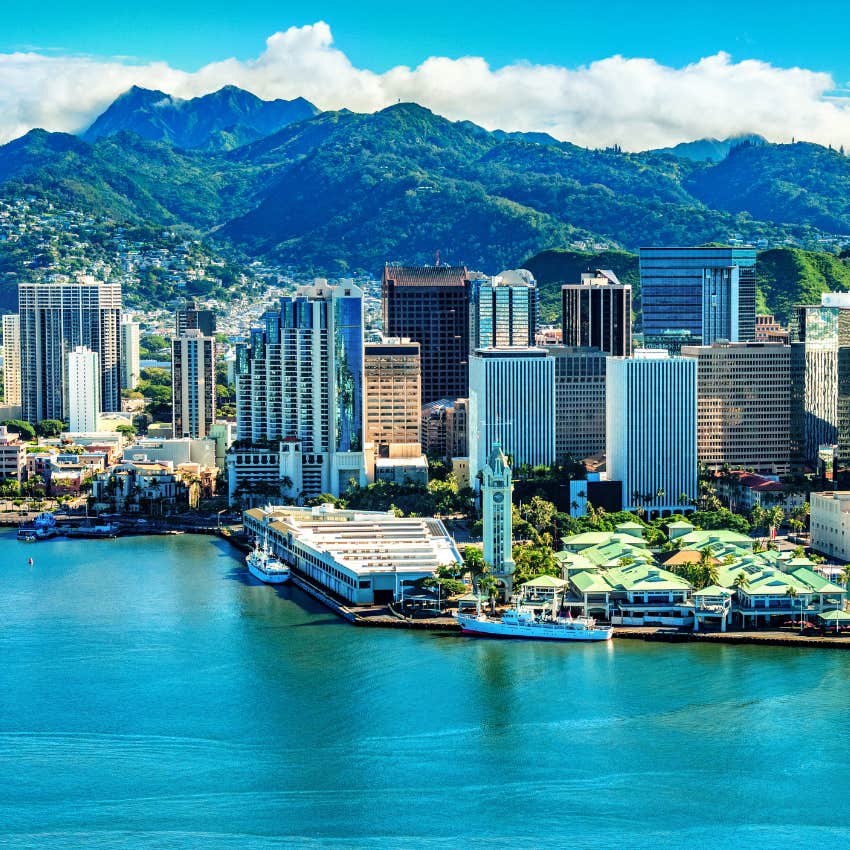
1. Workers in Hawaii will spend nearly $10,000 on commuting and food costs.
 Art Wager | Getty Images Signature | Canva Pro
So much for easy island livin'. Hawaii, which is among the most expensive states in the country due to its far-flung locale, gets hit hard by return-to-office-related costs. Hawaiians will spend an average of $2,520 on commuting and $7,131 on out-of-home food costs.
Add it all up, and you get a grand total of $9,651. Nearly $10,000, or a bit north of $800 a month, just to have lunch and commute to the office — and this is in a state with one of the highest carpool rates in the country, at 13.3%.
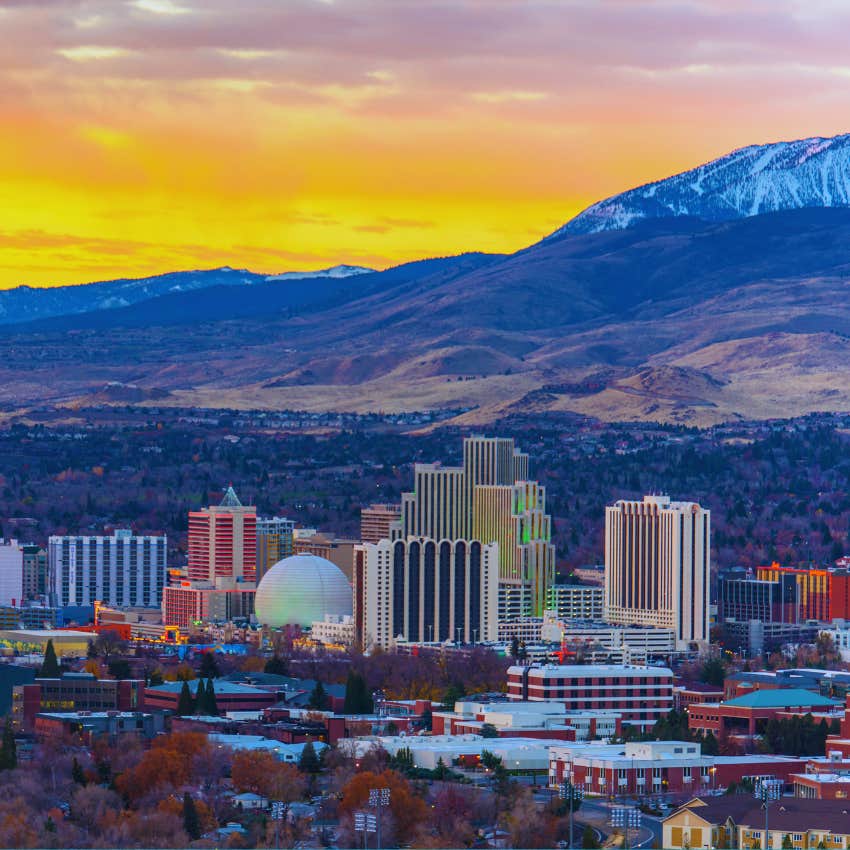
2. Nevada workers will spend more than $9,000.
 4kodiak | Getty Images Signature | Canva Pro
The situation in Nevada is somewhat better, but not by much. Nevadans will spend an average of $2,391 on commuting and more than $7,000 on food, for an average total of $9,398 a year, not much cheaper than Hawaiians.
SensaPay also found that Nevadans have among the highest burdens when it comes to workplace clothing and footwear: An average of $1,385 on top of the nearly $9,400 just to commute and eat.
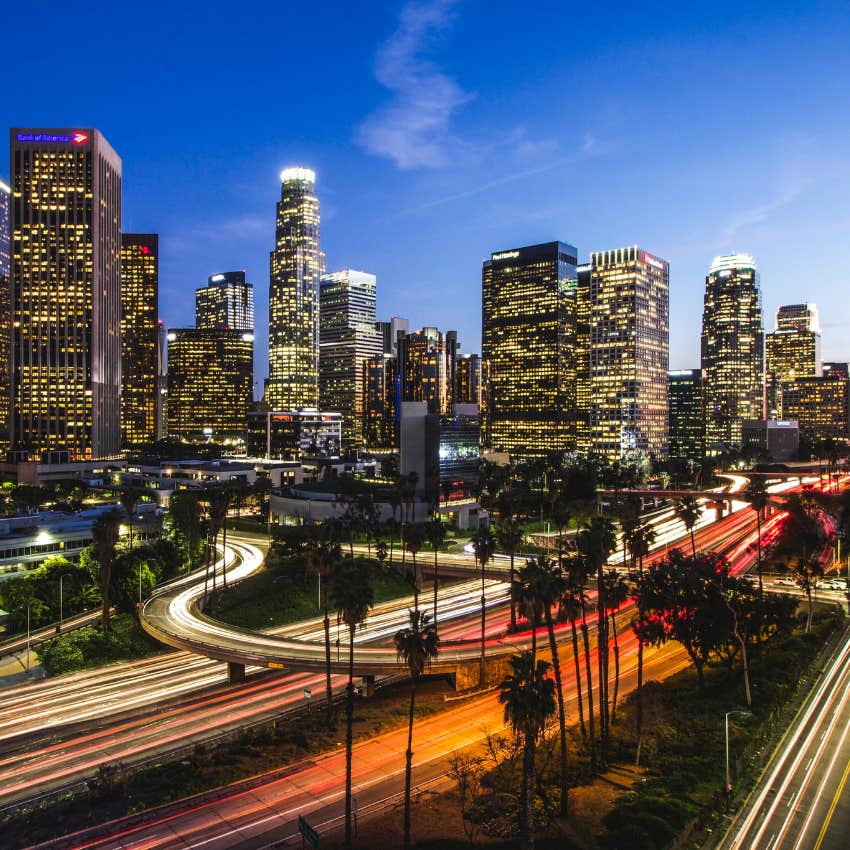
3. California workers will spend nearly $9,000, too.
 koreywaggoner | Getty Images Pro | Canva Pro
No surprise here — in fact, the only real surprise is that California isn't higher on this list, though it surely would be if other costs were being factored in.
Regardless, Californians don't get off easy. All that time spent creeping bumper-to-bumper down the 101 will cost them an average of $3,340 a year, along with more than $5,500 on food, for a total of $8,844. Tack on an average of $2,000 for clothes and shoes each year, and California life will definitely cost you.
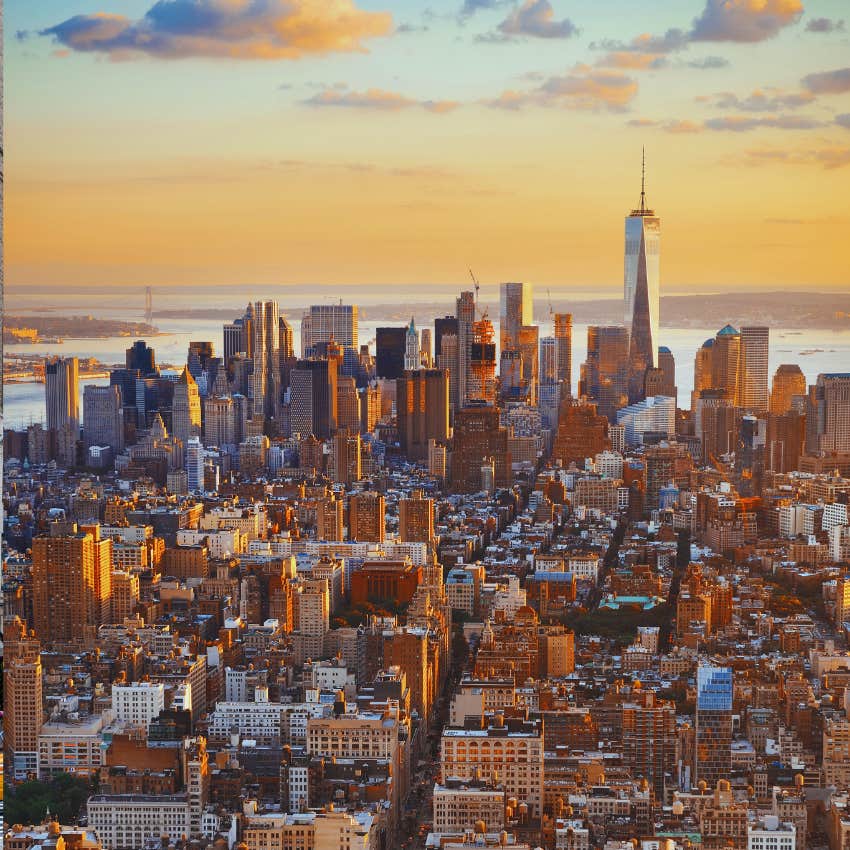
4. New York workers will spend more than $8,600.
 rabbit75_cav | Canva Pro
You knew this one was next: New York may be the "concrete jungle where dreams are made of" (whatever that means), but there truly is "nothing you can do" about these costs.
Despite nearly a third of the state using public transportation to get to work, they still shell out $3,711 on average for commuting and nearly another $5,000 on food, for a grand total of $8,639. Which incidentally is also the average cost of a studio apartment with no kitchen, bathroom, windows, or heat in Manhattan. (Kidding. Hopefully.)
5. Wyoming workers will spend almost $8,500.
 EDWARD BARNETT Photography | Getty Images | Canva Pro
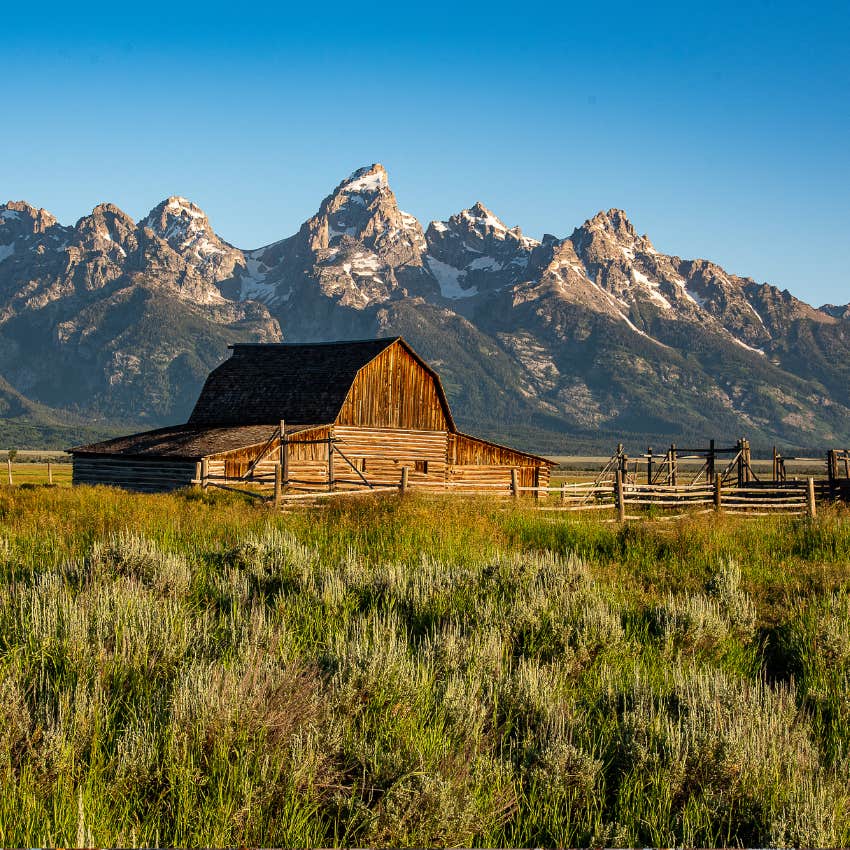
Wyoming? WYOMING? Yep, Wyoming. It ranks in fifth place with commuting costs racking up to almost $4,400 yearly, the second-highest in the nation. The culprit? All that wide-open space. Most residents work far from home, and just 1 in 20 work remotely.
Tack on more than $4,000 for food, and you've got one heck of an expensive Wild West existence. But hey, at least they get to look at beautiful mountains and rivers instead of that windowless studio in Manhattan. It's something!
John Sundholm is a writer, editor, and video personality with 20 years of experience in media and entertainment. He covers culture, mental health, and human interest topics.
