
Mom 'In The Trenches' Shares The 8 Signs That You're Parenting In Survival Mode
Being in survival mode won't last forever.
 Nicoleta Ionescu / Shutterstock
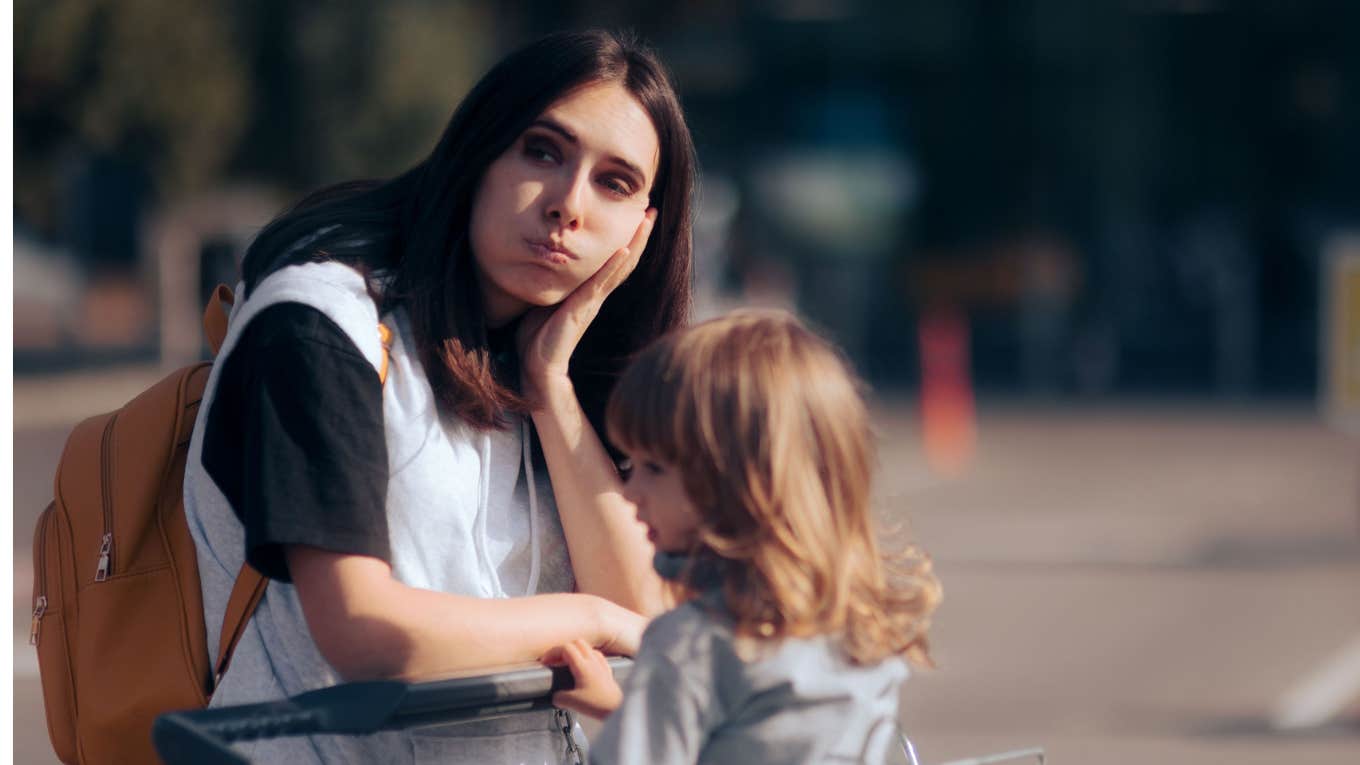
 Even in the best of times, parenting is no easy feat, and it becomes much harder when the parents are struggling to keep their heads above water.
Everyone’s parenting journey unfolds differently, but in moments of acute challenge, people react in common ways.
A mom ‘in the trenches’ shared 8 signs that you’re parenting in survival mode:
1. You feel constantly stressed out
Holly, a mom in the U.K., explained the ways being in a heightened emotional state affected her parenting.
“All parents struggle from time to time, and that’s normal; it’s just part of raising kids,” she said. “But the truth is, sometimes struggling can send us into survival mode, and once you’re in it, it’s really tough to get out of it.”
She noted that feeling stressed out is part of the rollercoaster ride of being a parent, but there’s a difference between experiencing moments of stress versus stress that never seems to lessen.
“We all have days where we feel really stressed,” Holly explained. “But if you’re feeling really stressed and you can’t quite pinpoint what it is that’s making you feel stressed, chances are you’re probably in survival mode.”
Stress is easier to manage in small doses, which is why Holly differentiates between the short-term and long-term.
If your stress levels are at an all-time high with little to no relief, it’s a sign that you’re likely stuck in survival mode.
2. You feel triggered all the time
One challenging part of parenting is staying emotionally regulated, especially when your kids’ emotions are all over the map.
As Holly said, “If you find yourself feeling more angry than usual and the slightest thing is sending you over the edge, there’s probably a good chance you're parenting in survival mode.”
Feeling triggered is a normal human reaction to intense situations, but if you feel like you’re always triggered, even by things that usually wouldn’t upset you, it’s time to reevaluate your own emotional well-being.
Recognizing your triggers is the first step to taking action. When you feel triggered, it’s totally OK to take a moment alone to recenter yourself. If you can’t step away, try doing a grounding exercise to bring yourself back.
3. Everything feels urgent
Another sign of survival mode parenting is feeling a sense of overwhelming urgency for no apparent reason, like “Having a really hard time prioritizing what’s most important or ... blowing something small up to be something really, really big.”
When everything feels urgent, it’s likely due to the fact that you’re existing in a state of elevated stress and anxiety, which makes it hard to think clearly.
4. You feel like nothing matters
“You no longer care about the things you really used to care about,” Holly explained. “Before, you’d care if your kids were wrecking your living room, but now, you’re just like, ‘Well, it’s not worth the battle.’”
“Maybe you find that something in the moment really stresses you out, and then five minutes later, you’re like, ‘Do you know what, I don’t really care,’” she continued.
 GrooveZ / Shutterstock
Apathy is another sign of being stuck in survival mode. While it’s one thing to prioritize what matters to you as a parent, it’s another thing to not care about anything at all.
5. You stop taking care of your basic needs
Holly noted that another sign of parenting burnout comes in the form of ignoring your own self-care.
Keeping your kids clothed, clean, fed, and happy takes all of your energy, and you can’t seem to bring yourself to take care of your own needs, like eating full meals or showering, because it feels like too much effort.
To pull yourself out of this part of survival mode, focus on completing one small task each day, and give yourself lots of grace and empathy for getting through this challenging moment in time.
6. You’re overwhelmed with negative thoughts
“Mentally, you’re no longer taking care of yourself, and thoughts like, ‘Gosh, I’m such a bad mom, I’m failing at everything,’ start to take over.”
All parents have moments in which they feel like they’re not their best selves, but if that feeling becomes overwhelming, survival mode takes over.
When that small voice in your head grows louder, flooding your mind with negativity, try talking back to it, and reminding yourself that making mistakes doesn’t make you a bad parent. You’re doing the best you can with the tools you have.
7. You feel like nobody gets it
“You could be in a room full of people and still feel completely alone,” Holly said, describing this particular aspect of parenting in survival mode.
Feeling isolated lends itself to self-doubt. The fact that Holly shared her own experience in an honest and open way fights against the stigma of mental health that many moms carry with them.
 Arsenii Palivoda / Shutterstock
The idea that you have to be a perfect parent does more harm than good, and all parents struggle, as Holly herself said.
By giving voice to these feelings, Holly tapped into what so many moms feel, showing that no one is really alone.
8. You feel resentful
Holly shared that while parenting in survival mode, it’s common for feelings of resentment to rise up “Because nobody else around you looks like they’re struggling, and you’re the only one who’s doing everything.”
“This resentment eventually builds towards everyone and everything, but the good news is, there’s a way out of this, and we can figure it out together,” she concluded.
She spoke about how hard it is to break out of survival mode, saying, “This is probably the toughest thing I’ve ever done, but I’m here, I’m trying, and I’m gonna get through it.”
As Holly noted, “The mental health battle you are fighting is not a reflection of you as a mother.”
“You walk in the rain, and you feel the rain, but what you must remember is that you are not the rain,” she said.
Taking care of yourself in moments of lowered mental health is never easy, especially when you have to extend yourself to care for your family on top of everything else.
For all the moms out there who feel like they can't keep up, remind yourself that no feeling is permanent, and the more you express your struggles, the more people can gather around to offer their support.
Alexandra Blogier is a writer on YourTango's news and entertainment team. She covers social issues, pop culture and all things to do with the entertainment industry.
