
If Your Dog Does Any Of These 4 Things, They’re Trying To Tell You Something Important
 Ivan Babydov / Pexels
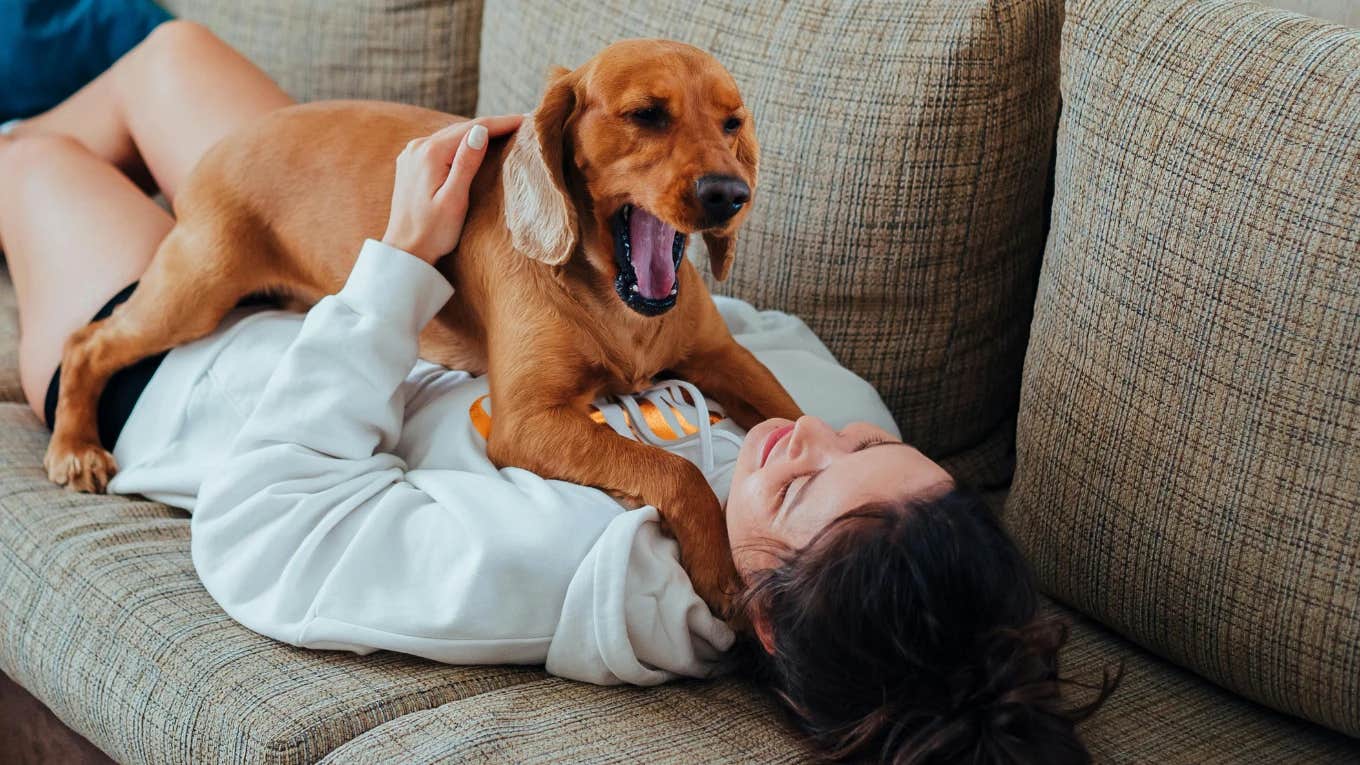
 Dogs often bark, whimper, whine, or growl to let their owners know when they need something, whether it be dinner, tummy scratches, or a bathroom break in the great outdoors. But sometimes, dogs use non-vocal cues to show that something out-of-the-ordinary is going on with them.
There are some things that dog owners could easily write off as cute or eccentric habits that actually have a far deeper meaning. A certain behavior may look typical coming from a dog, but there's a very real chance that it signifies something is off with their health and well-being. The experts at PetLab Co. explained what a few of these behaviors really mean in a video.
Here are 4 behaviors that are signs your dog is trying to tell you something important:
1. Yawning
 Tony Began | Pexels
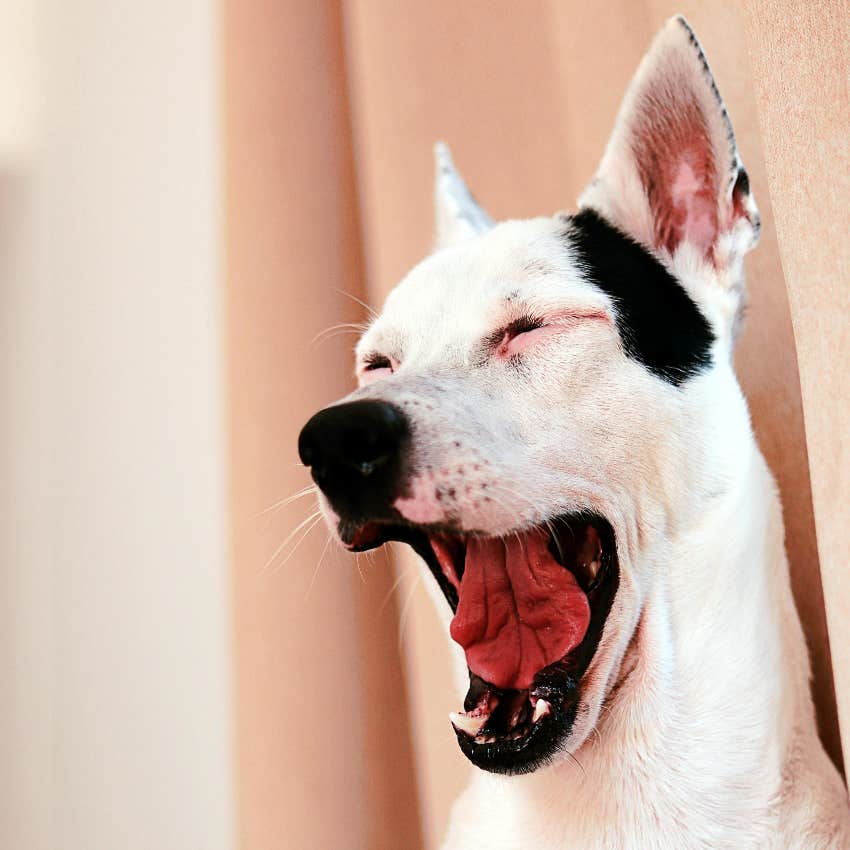
Yawning in dogs is normal behavior, most often indicating that they’re bored or tired. But if your dog is yawning excessively, it could be a sign of stress.
"Dogs yawn when they are tired, but also to communicate emotions, manage stress, or as a form of submission in social situations," said certified animal health and behavior expert Erin Askeland.
Yet yawning extends beyond doggie behavior into similar human behavior. Puppy parents sometimes yawn for the same reasons. If we’re feeling anxious or stressed, we’re more likely to find ourselves yawning, too. It helps our bodies and brains release some of the stress and anxiety we’re feeling.
2. Scooting
If you see your dog pressing their backside to the floor and pushing themselves forward across your nice, clean rug, it could mean that something’s going on with their glands.
The best thing you can do is take your furry friend to the vet for a check-up. Veterinarian Michael Kearley explained that your pup may scoot across the floor in this way if their glands are so full they have become uncomfortable, which may require a simple out-patient procedure.
3. Chasing their tail
 IRINA ORLOVA | Shutterstock
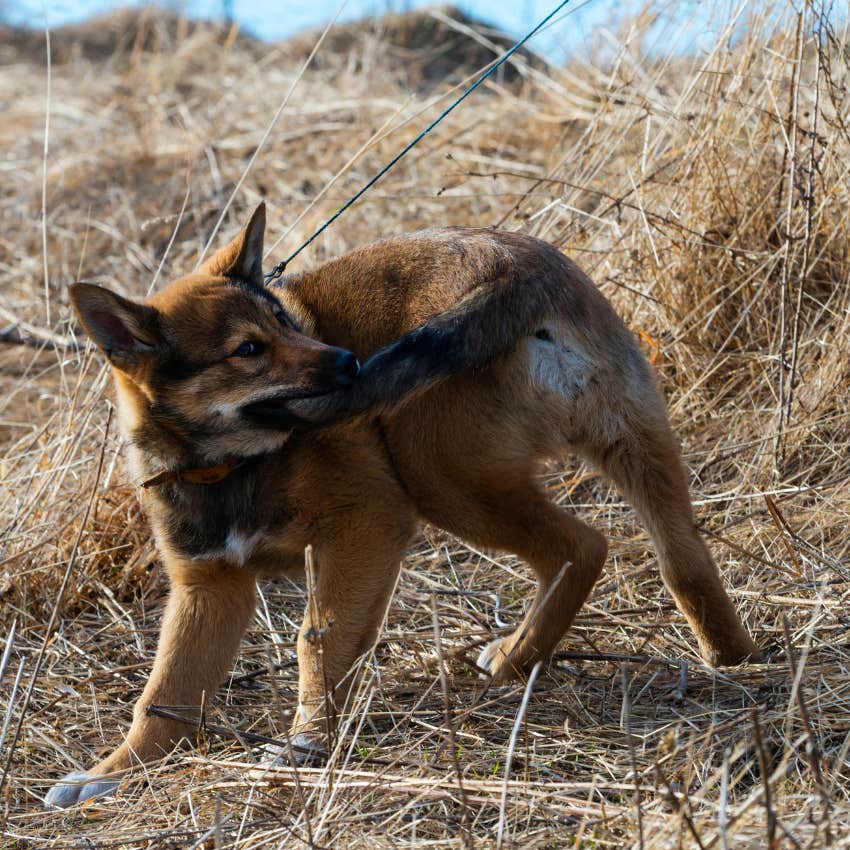
This action might seem like it’s just some harmless fun for your pup, but it could also signify that they’re not getting enough mental or physical stimulation throughout the day.
The amount of exercise a dog needs depends on various factors, like your dog’s breed and age. According to the American Kennel Club, puppies are best cared for with "short bursts" of exercise that let them get their excessive energy out. When it comes to an adult dog, it's important to keep in mind whether they are a high- or low-energy breed, as well as any health issues they may have.
Keeping your furry friend engaged is crucial to their health and well-being, and is a great way to show them just how much you love them.
4. Licking their joints
A moderate amount of licking is within the range of normal grooming behavior. It’s common for dogs to lick certain parts of their furry little bodies: their paws, bellies, and in between their toes. But licking too much can also be indicative of an underlying issue.
Your dog might be licking excessively if you notice they have hair loss or skin redness in the areas that they’re licking. Another way to know if your dog’s licking has become a problem is if they moan or whimper while they do it, or if they are unable to focus on other things, like napping or playing, because they’re so focused on licking.
Excessive licking can be a sign of anxiety or boredom. If your dog is engaging in excessive self-grooming during downtime, it might mean that they need more exercise or activity to keep themselves busy. However, licking can also mean that they’re in pain or experiencing discomfort, especially if they’re repeatedly licking their joints.
Osteoarthritis, also called degenerative joint disease, is a progressive inflammation of joints caused by deteriorating cartilage. The American Kennel Club noted that osteoarthritis is common in dogs as they age, yet some factors predispose certain dogs to the disease. Larger breeds tend to be susceptible, as do overweight dogs and dogs with repetitive stress injuries.
While osteoarthritis is painful for pups, it’s also a disease that can be managed with certain medications and physical therapies.
Alexandra Blogier, MFA, is a writer who covers psychology, social issues, relationships, self-help topics, and human interest stories.
