
If Your Adult Life Feels Confusing Or Directionless, These 3 Childhood Experiences Probably Explain Why
 zorotoo's Images | Canva
 You may already be familiar with the ways negative childhood experiences can impact us as adults. Even if you can't name the aftereffects, you feel them. Whether it's feeling like a permanent victim even when you're years removed from what traumatized you, acting passive-aggressively when upset, retreating into passivity, or creating a false always happy version of yourself, there are many ways childhood emotional experiences continue to affect you even after you've grown up.
But you may be less familiar with how these experiences affect relationships. What happens to us as children can affect the attachment style we carry into our adult relationships. Trauma hugely influences attachment. Often, people who grew up in happy, healthy, and stable homes where caregivers were emotionally available and responsive to their needs have a secure attachment style. These people don't push partners away or cling too tightly. While they may have troubles in their relationships, an unhealthy attachment style isn't the cause. Many of us aren't this lucky.
If adult life feels confusing or directionless, these three childhood experiences might explain why:
1. When our caregivers are unresponsive to our needs, we may develop an insecure-avoidant or dismissive-avoidant attachment style
If you have this attachment style, you likely avoid close relationships or keep partners at an emotional distance. You may hide your feelings, push people away, keep secrets, and shut down when others show emotion. Despite these behaviors and seeming disinterest in intimacy, insecure-avoidant people often strongly desire relationships and feel alone.
A study in Child Abuse & Neglect followed 650 people from childhood into their late thirties and found that kids who were neglected by their caregivers were more likely to develop an avoidant attachment style as adults. The same study found higher levels of depression, anxiety, and lower self-esteem decades later.
2. Children who experience persistent neglect may develop a fearful-avoidant or disorganized-disoriented attachment style
 RDNE Stock project / Pexels
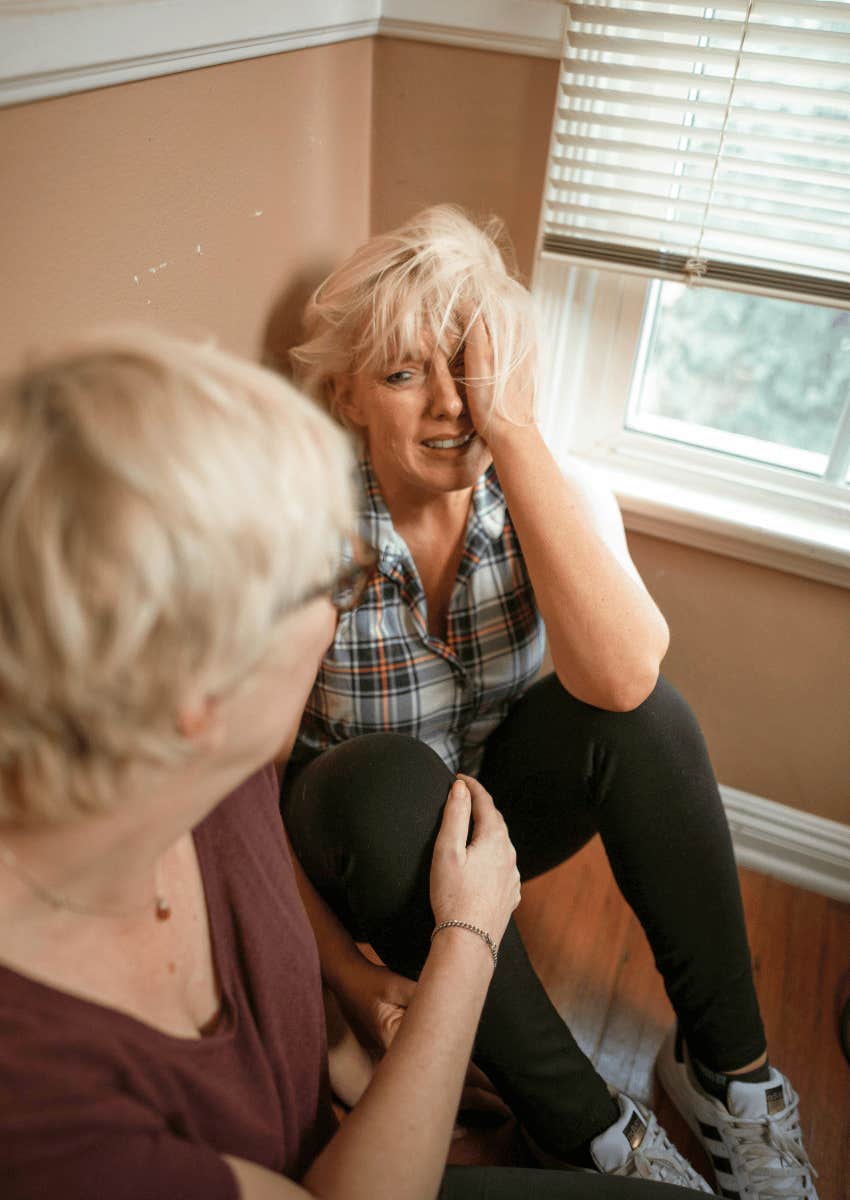
When the person who is supposed to love and care for you is the person who hurts you, it makes sense that you could grow up to fear both intimacy and being alone. Individuals with this attachment style have a hard time trusting people, close themselves off emotionally, are terrified of rejection, and may be uncomfortable showing affection.
When your caregiver is supposed to be the person who makes you feel safe but they're also the person who scares you, it creates a confusing dynamic that doesn't just go away when you grow up. Psychotherapist Marni Feuerman agrees that when early caregiving is inconsistent, it can lead to an insecure attachment style where you crave closeness but are terrified of it at the same time.
3. If our caretakers fluctuate between being responsive to our needs and dismissive of them, we may develop an insecure-ambivalent or anxious-preoccupied attachment style.
Adults with this attachment style are often called "clingy." If this is your attachment style, you likely desire lots of intimacy and are ever watchful of changes in your relationship, sometimes to the point of paranoia. You may feel like you're more devoted to your partner than your partner is to you, have low self-esteem, and show a high level of emotional dysregulation (mood swings).
Psychologists have observed that when your caregivers swing between being loving and being checked out, you never learn to trust that the people you love will actually stick around. This leads to spending your adult relationships in a constant state of overthinking and preparing for abandonment.
Not only does trauma impact us within our adult relationships, but it also affects our partners. As a marriage and family therapist in Los Angeles, I see the impact an unhealthy attachment style has on significant others all the time.
When you have an unhealthy attachment style, you may have a hard time recognizing your partner's emotions or responding appropriately to his or her feelings. You may feel uncomfortable when your partner shows anger or sadness and not know how to react. And you may pull away, or grab on too tightly, thus harming both your relationship and the person you love.
Andrea Brandt, Ph.D., is a marriage and family therapist in Santa Monica, California. She brings over 35 years of experience to her roles in family therapy, couples counseling, group therapy, and anger-management classes.
