
Parents Who Buy Too Many Gifts For Their Kids Often See These 3 Issues Later On
Over-gifting seems harmless — until these these issues pop up down the line.
 SeventyFour | Canva
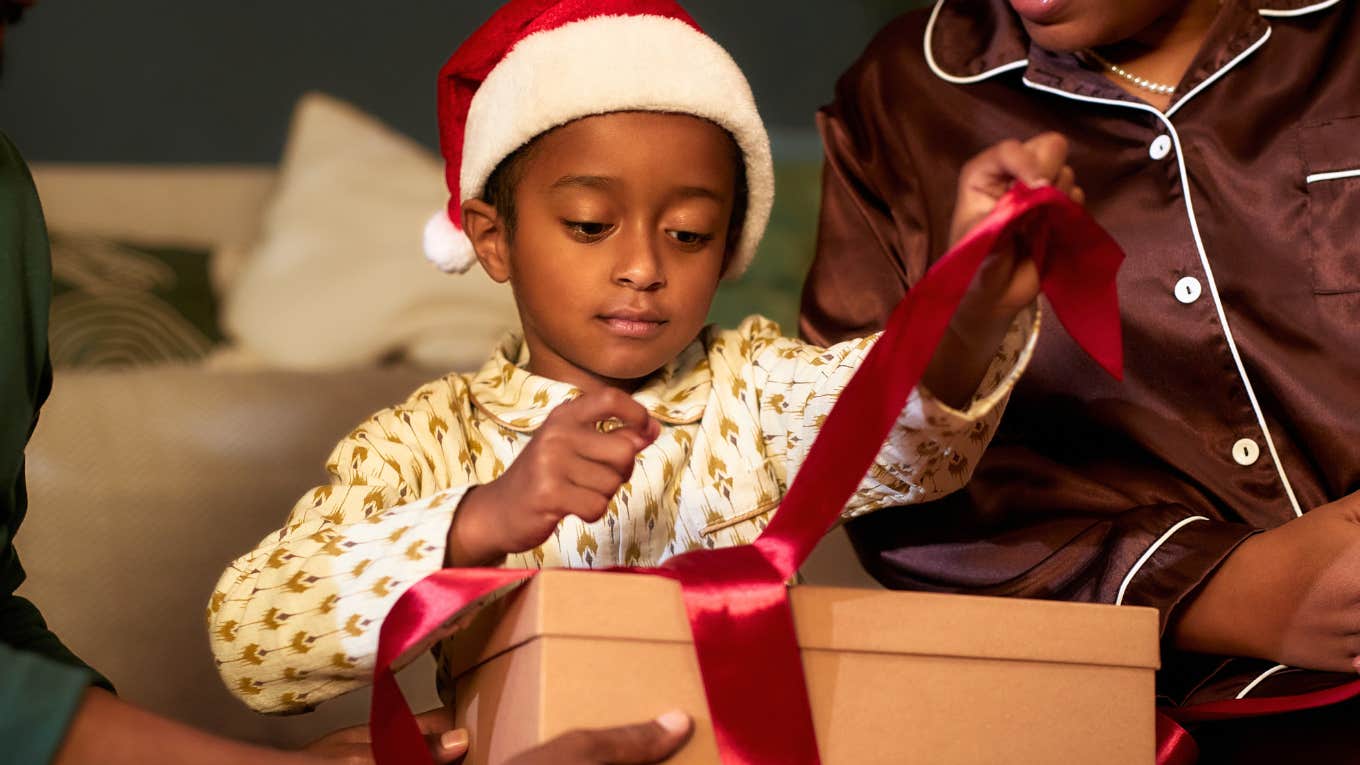
 Parents love giving their kids presents during the holidays, but what happens when they give too much? Overindulging children is a common parenting blunder that always backfires and turns little darlings into ungrateful bullies who are never satisfied, no matter how much they get.
Before you go overboard and shower a child with gifts, consider these negative outcomes that will result in spoiled children. The impulse to give your kids everything comes from a beautiful place, but somewhere along the way, the gifts can start doing something we never intended.
Research consistently shows that more materialistic people are actually less happy. And these patterns don't wait until adulthood to take root. The very things meant to bring joy can shape how our kids understand effort, gratitude, and what it takes to feel satisfied. Recognizing the pattern is the first step, and it's never too late to recalibrate.
Parents who buy too many gifts for their kids often see these 3 issues later:
1. Increase in destructive behavior
Kids who engage in greedy gift-grabbing during holidays suffer negative social and emotional ramifications that extend well beyond their childhood. According to one study, as adults, such children are more prone to credit-card debt, gambling, and compulsive shopping.
Sure, unwrapping a mountain of gifts produces a burst of happiness, but it has no staying power. Instead, it feeds an insatiable hunger for more.
2. Lower self-esteem
 Andrii Medvediuk / Shutterstock
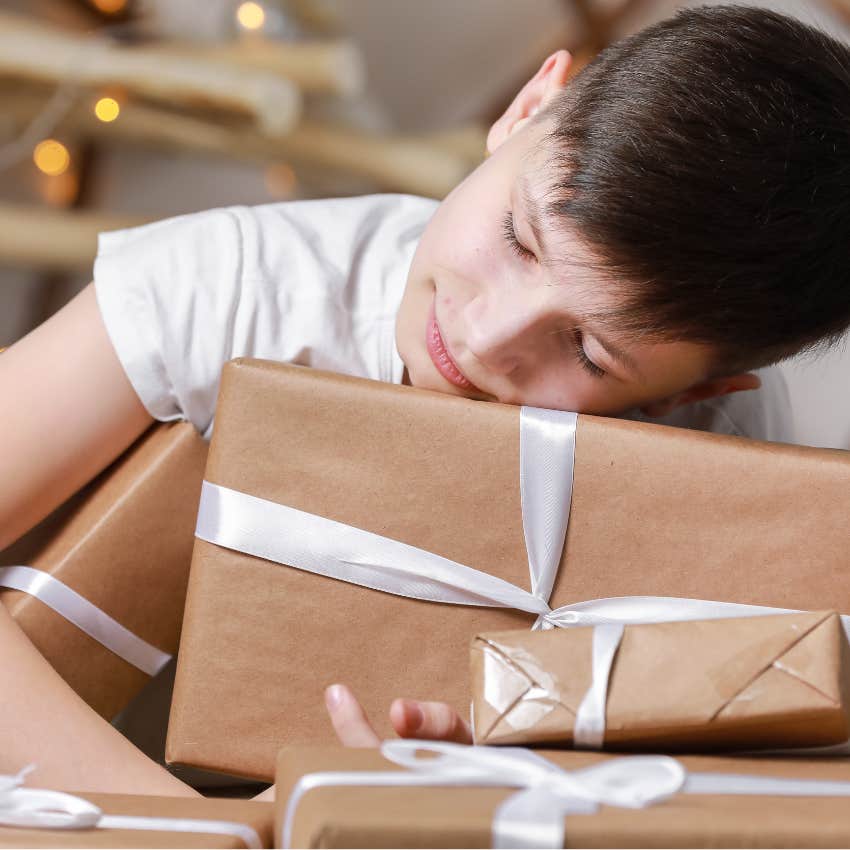
Lasting self-esteem is rooted in a strong sense of identity, not materialism. Excess does not equal increased self-worth. Studies have shown there is no correlation between material possessions and self-esteem or happiness.
In fact, children who have fewer material possessions but positive relationships with parents and peers score higher on self-esteem assessment tests. They also have fewer behavioral problems and demonstrate more resilience in the face of obstacles than kids with overindulgent parents.
3. A decrease in lasting happiness
Researchers publishing in Harvard’s Journal of Happiness found that people valued gifts they purchased for others more than gifts they bought for themselves. And when those “givers” completed a personal satisfaction scale, they consistently scored higher than those who purchased gifts for themselves.
Helping your child develop generosity fosters a healthy sense of interconnectedness and boosts personal happiness. Kids who only value receiving gifts are more likely to grow up to be egocentric and lack empathy.
I always ask parents who attend my parenting workshops: Which kids are more likely to have parents who overindulge them during the holidays? Believe it or not, it’s the bullies. Kids who bully parents into overindulging them are more likely to get more gifts than kids who don’t.
Awareness is half the battle, and the fact that you're even thinking about this puts you ahead of most. Kids are remarkably adaptable, and the relationship you have with them matters far more than any misstep with the gift-giving. What they need most is a parent who's paying attention and willing to course-correct when something isn't working.
The goal here isn't to stop giving your kids things or beat yourself up about Christmases past. It's just about noticing when the pile of stuff starts doing the opposite of what you intended. Research shows that something as simple as keeping a gratitude journal can significantly reduce materialism in kids, which means these patterns aren't permanent.
Start small. Swap one gift for an experience. Let them earn something they've been eyeing. Or just pause before the next purchase and ask yourself what you're really trying to give them.
Sean Grover is a psychotherapist, speaker, and author with 25 years of experience working with adults and children.
