
If You Grew Up An A Dysfunctional Family, You May Feel Like An Observer In Your Own Life — A Clinical Psychologist Explains Why
 PIMTTEL | Shutterstock
 There are many sad consequences of growing up in a family that didn’t teach you how to behave in healthy, normative ways. For many Adult Children of Dysfunctional Families, life can be challenging.
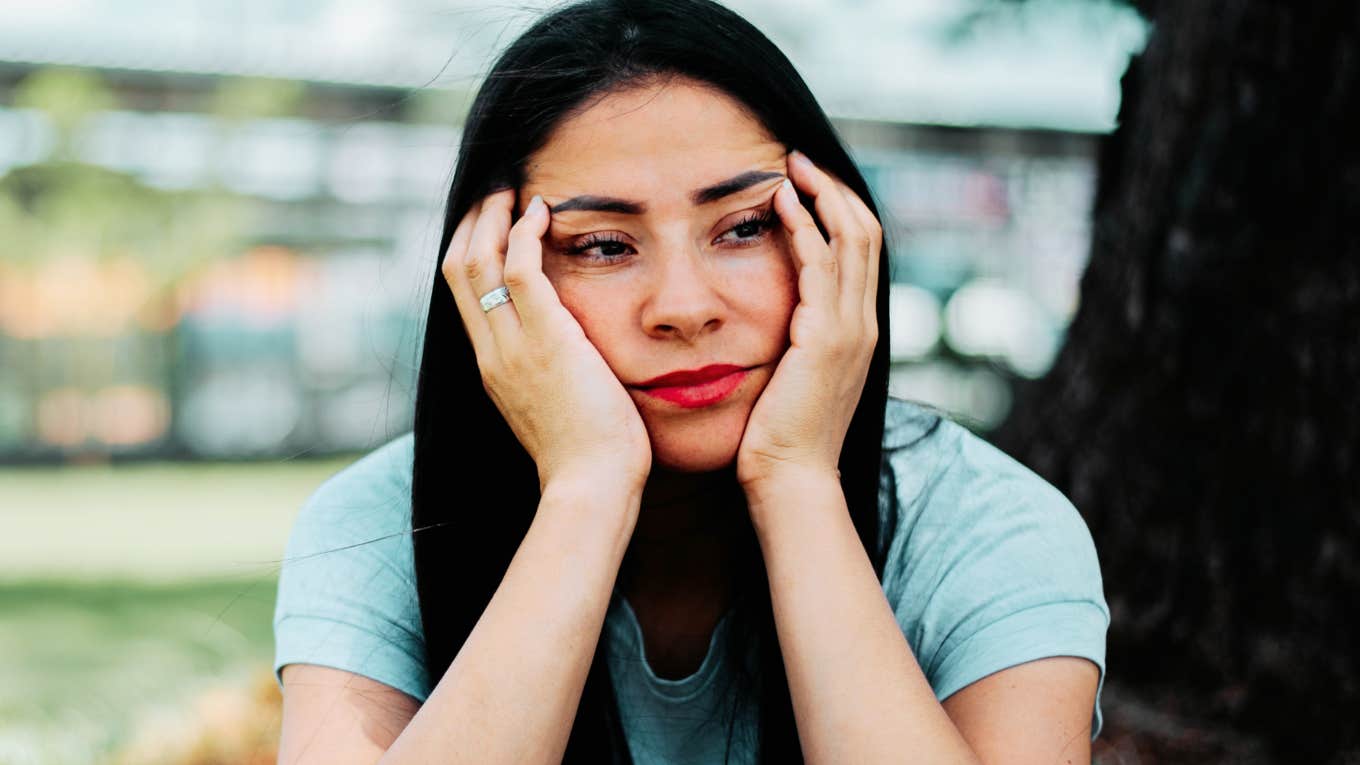
You don’t have a template or an automatic default for so many parts of life, including parenting, socializing, engaging with people at work, keeping your home looking acceptable, taking care of your health/self, and much more. From childhood, you’ve been trying to figure out how “normal” people operate, which made you into more of an anthropologist than a participant. This can be a sad and detached way to live, and prevents you from fully living your life.
When you are always observing others, figuring out how to behave, you can’t stay present-focused. You feel like an outsider, always doomed to look in at happy families, couples, or friends through a window, rather than fully being immersed in that sort of relationship yourself.
There are many depictions of this in books and movies. The novel The First Day Of Spring by Nancy Tucket is an excellent portrayal of how hard it is to parent well when you haven’t been parented well yourself. The memoir and movie The Glass Castle by Jeannette Walls also show how hard it is to act normal when your parents repudiate normalcy.
If you grew up in a dysfunctional family, you may feel like an observer in your own life
 cottonbro studio / Pexels
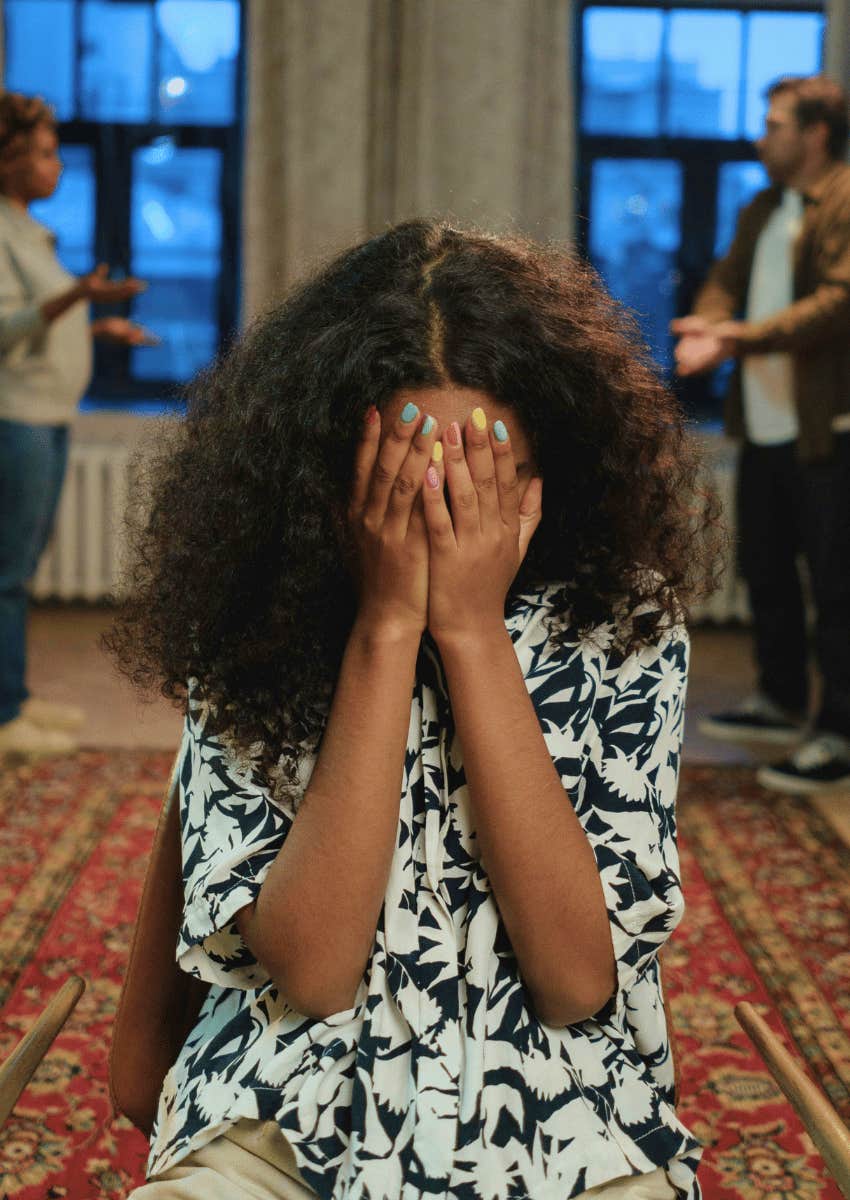
One result of growing up in a dysfunctional family is that you don’t feel that you can date or marry 'normal' people.
On a subconscious or even conscious level, you don’t want to embarrass yourself in front of someone who had a healthy upbringing with a close, happy family.
You feel you won’t know how to act, or you will be sniffed out as a weirdo and rejected. Therefore, people who feel inferior gravitate towards other people who grew up in unhealthy families.
This is often the root of the pursuer-distancer dynamic; two insecurely attached people of different types attract one another because neither feels comfortable around someone securely attached. Two people from dysfunctional backgrounds have more challenges because neither feels confident in leading the family, and they also may perpetuate the cycle of dysfunctionality for their own kids.
If you have always felt on the periphery of life because you didn’t learn how to fit in to society from your family, you are not alone. Many people in therapy have always felt “off” or “weird.”
The feeling of being on the outside looking in, and having to painstakingly observe others to figure out how to behave, is well known to children of parents who are depressed, anxious, traumatized, addicted to substances, and/or who have personality disorders.
Some of these homes can have intense chaotic conflict, or barely anyone speaks to each other. Kids in these situations can’t just invite a friend over, or they wouldn’t want to. They are embarrassed by their parents but also feel deep shame for feeling disloyal in this way.
Therapy can be a great help to you if you feel like a student of humans rather than an active and happy human yourself. You can learn over time to figure out who you are on a core level, versus who you have always been pretending to be.
If you grew up in a dysfunctional family, learn to find people who value you for you, and with whom you feel compatible, rather than just both being traumatized in different/similar ways.
 www.kaboompics.com / Pexels
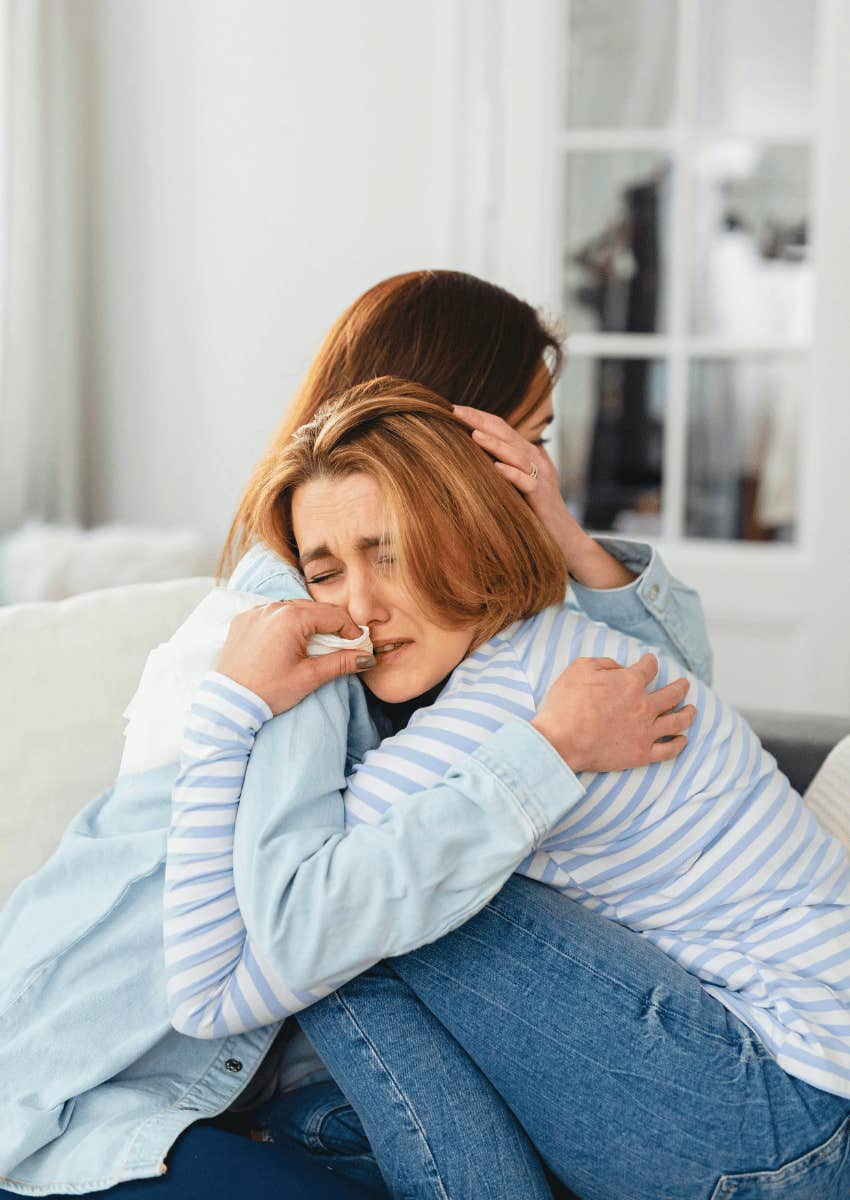
If this post speaks to you, read a couple of the books I list in the Adult Children of Dysfunctional Families section. Reach out to a therapist or a support group.
Even just Google whatever you think was one of the main issues of your parents, plus “children of.” For example, children of hoarders can feel very alone until they find resources and forums where everyone feels similar shame and anger, and struggles with knowing how to keep a home organized and clean.
Everyone deserves to feel at home in their own skin and at peace with who they are. You can also learn to fully inhabit your own life, and that will be wonderful and healing for you as well as, if relevant, your kids or future kids.
Dr. Samantha Rodman Whiten, aka Dr. Psych Mom, is a clinical psychologist in private practice and the founder of DrPsychMom. She works with adults and couples in her group practice, Best Life Behavioral Health.
