
The Most Stressed-Out Generation Isn’t Who You Think — And The Health Impact Is Alarming
 Karola G | Canva
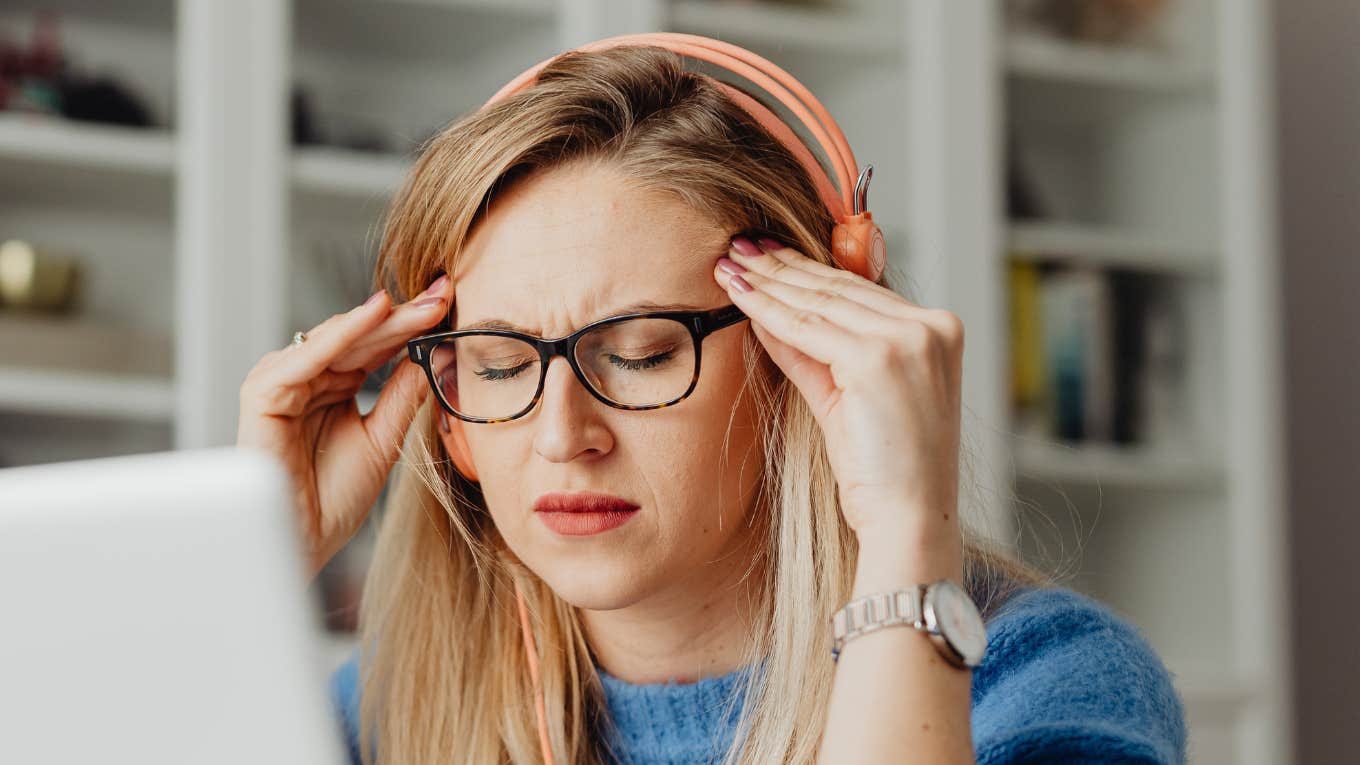
 If you think that housing issues, social problems, and employment challenges are stressing you out, you could be right. If you're a Millennial, you may even notice it affecting your health. Research predicts that the Millennial generation will suffer more health problems by middle age than their parents, and the data behind that prediction is genuinely alarming.
Here's the part that surprises most people: when you think of the "most stressed generation," you probably picture teenagers glued to their phones or Gen Z navigating their first jobs. But the APA's 2023 Stress in America report found that 18 to 34-year-olds report an average stress level of 6 out of 10, compared to just 3.4 among people 65 and older. Millennials and Gen Z aren't just a little more stressed than older generations. They're in a completely different category.
Life for Millennials is different from previous generations, and it's the leading cause of that stress. Research shows that although the Millennial generation has lower rates of teen pregnancy, fewer smokers, and less use of alcohol and drugs compared to prior generations, their overall poorer quality of life puts them at a greater risk for serious health problems by middle age, including cancer, diabetes, and heart disease.
The stress is being driven by three big forces: the lack of good jobs, rising costs of housing, and the increasing pressure of social media. And the health consequences of that chronic stress are already showing up.
As a Millennial myself, I have to say, I believe it. While there has always been pressure on people in their 20s and 30s, it's a particularly hard time to be in this age group. Some of the stresses are timeless, like deciding what career you want, who you'll spend your life with, and whether you want kids. But there's a whole new weight on top of all of that now. If you pay attention to these three areas of stress, you can take steps to keep them from threatening your health.
The most stressed-out generation is the Millennials for these three reasons:
1. Millennials are feeling the impact of job instability more than any generation before them
The lack of good employment among Millennials shows up in the rise of "zero-hour contracts" (work that only comes when you're "needed"), the increase in college graduates taking jobs that don't use their degrees, and the explosion of the "gig economy" (employment based on freelance or temporary work).
The lack of stable jobs with growth opportunities affects how much money the Millennial generation makes, their sense of job security (which is practically non-existent), and their self-esteem from lacking a meaningful title at work. The Deloitte 2024 Global Gen Z and Millennial Survey of nearly 23,000 respondents across 44 countries found that around a third of Millennials say their job and work-life balance contribute significantly to their stress levels, fueled by long working hours and a lack of control over how or where they work.
Not knowing how you'll pay for yourself in the long run is stressful enough. Add to that the reality that even mild depression and anxiety linked to employment stress can increase your risk of chronic conditions like heart disease, hypertension, and diabetes, and suddenly those gig economy growing pains look a lot more serious than anyone warned us they would be.
2. Millennials are living with ongoing stress as the housing crisis drags on
 Meg Aghamyan / Unsplash+
The rise in housing costs shows up in Millennials spending more time renting rooms in shared houses or living at home longer. A 2024 study found that elevated housing costs can induce chronic stress, leading to mental health conditions, including anxiety and depression, while also limiting people's ability to allocate resources toward health-promoting activities.
And the stress is only made worse when your parents and grandparents bring up how young they were when they bought their first home. (Notes heavy sarcasm.) A 2023 survey found that more than 3 in 5 Americans are stressed about housing prices, with Millennials being among the most affected, and nearly half reporting they have skipped meals to afford housing payments at some point.
While the structural problems behind housing costs are real and not easily solved individually, focusing on what you can control matters. Stress-reducing tools like aromatherapy diffusers, exercise, and better sleep routines are small but meaningful ways to dial down the body's chronic stress response while you navigate bigger financial challenges.
3. What was supposed to connect Millennials is now leaving many of them feeling worse
The rise of social media has changed the way Millennials maintain relationships, contributing to social issues and a lack of emotional support from both peers and family. A Baylor University study following nearly 7,000 adults for nine years found that both active and passive social media use is associated with higher levels of loneliness, with researchers noting that the platforms designed to bring people together may actually be contributing to an epidemic of loneliness.
A survey found that 82% of Millennials reported that social media puts them under pressure to behave in certain ways, and that Millennials are more likely to suffer from chronic loneliness than any other age group. Spending less time passively scrolling and more time investing in relationships that actually meet your emotional needs is one of the most evidence-backed things you can do for your mental health.
While our social skills may be stretched thin, Millennials are more likely to turn to herbal remedies and natural tools for stress rather than prescription drugs and alcohol, which is a positive sign. The deeper concern is making sure that doesn't mean mental health issues are going untreated. Finding low-cost or free mental health support is worth prioritizing, because the long-term health stakes, as the research makes clear, are genuinely high.
Nicole Bradley-Bernard is a freelance writer who has written articles for multiple publications, including YourTango, FINE Magazine, New York Gal Magazine, Momentum Magazine, and more.
