
Kids Who Have One Specific Hobby Usually Become Smarter & More Successful, Says Study
 AYO Production | Shutterstock
 Kids and most adults love to play video games and would play all day and night if their parents (and work schedule) let them. In fact, adults who play video games actually have higher levels of happiness and relaxation. What better way to escape from the stresses of life?
But for kids, parents and experts have long debated the potential harm of video games. Previous studies have suggested that children learn violence and other negative behaviors from playing. But a new study has found that children who play video games have almost twice the odds of having a high intellectual function and high overall school competence.
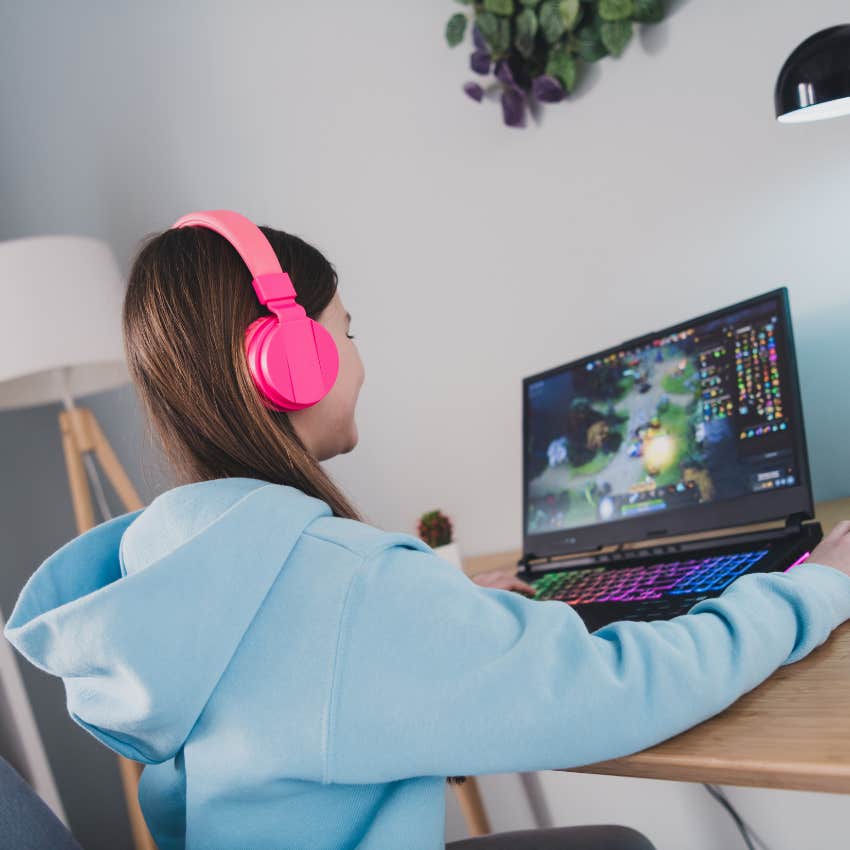
Kids who play video games as a hobby usually become smarter and more successful.
 Roman Samborskyi | Shutterstock
This undoubtedly might ruffle some feathers, but the researchers found that playing video games can actually be good for kids. For the study, published in the journal Social Psychiatry and Psychiatric Epidemiology, researchers from Columbia University examined data from 3,195 children aged 6 to 11 collected as part of the School Children Mental Health Europe. Parents and teachers assessed their child's mental health in a questionnaire, and the children themselves answered questions via an interactive tool.
Generally, about 20% of the children played video games for more than five hours per week. After adjusting for the age and gender of the kids, as well as siblings, their mother's age, marital status, education, employment status, psychological distress, and region, the researchers discovered that high video game usage was associated with 1.75 times the odds of high intellectual functioning and 1.88 times the odds of high overall school competence.
Kids who play video games regularly are also more comfortable with their peers socially.
 Rido | Shutterstock
Most people would assume that if kids are spending time with their PS5 rather than with their peers, they are most likely socially awkward, but researchers found that wasn't the case.
What they found instead was that there weren't any significant associations with any child self-reported or mother/teacher-reported mental health problems. Notably, video game playing was associated with fewer relationship problems with other kids. That means kids who regularly play video games are better at integrating socially.
One of the researchers, Dr. Katherine Keyes, an assistant professor of epidemiology at Columbia, said, "These results indicate that children who frequently play video games may be socially cohesive with peers and integrated into the school community."
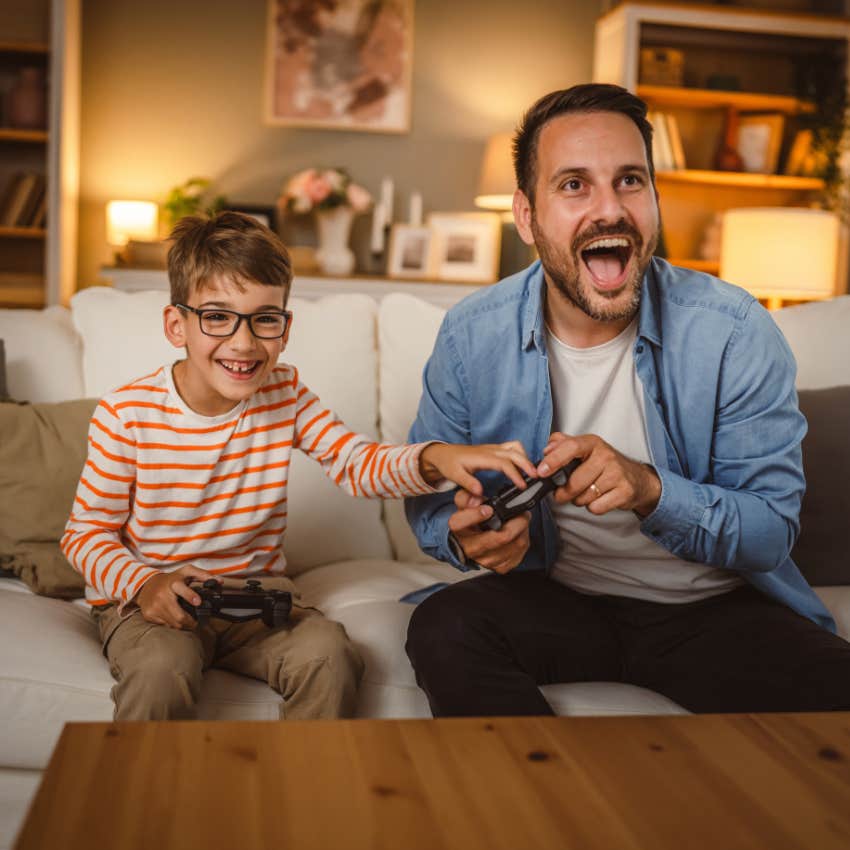
It's still important for parents to moderate screen time.
 Miljan Zivkovic | Shutterstock
It's great news that gaming isn't the villainous activity it has long been labeled, but that doesn't mean parents shouldn't still moderate their kids' screen time because, as with everything in life, too much of a good thing isn't great either. The data on screen time and its negative impacts without regulation are undeniable.
Dr. Keyes advised, "We caution against over-interpretation, however, as setting limits on screen usage remains an important component of parental responsibility as an overall strategy for student success."
The study concluded that playing video games "may have positive effects on young children" but that "understanding the mechanisms through which video game use may stimulate children should be further investigated." That being said, both parents and kids can celebrate the fact that this fun and popular activity isn't going to "rot your brain," as many adults used to say. In fact, the benefits of playing can no longer be denied.
Christine Schoenwald is a writer, performer, and frequent contributor to YourTango. She's had articles featured in The Los Angeles Times, Salon, Bustle, Huffington Post, and Business Insider.
