



The one discovery that changed my entire perspective on relationships for myself and my clients!
I've been curious about people and relationships for as long as I can remember. I've asked many questions, probably annoyed many with them all. My nickname in High School was WHY! That should give you some idea. What makes people come together? What makes some stick and others part? Why did the very thing that drove my mother crazy about my father make my step-mother chuckle? Relationships once seemed to be so tricky to me.
No surprise that I wound up in a graduate program studying relationship counseling! We teach what we need/want to learn most!
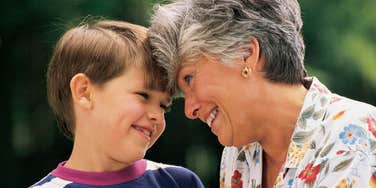
Your relationship with your child is the most powerful mechanism from which to teach.
Learn how to teach your children the art of relationships.
Whether you believe you are a good role model or not from which to follow, there are some things you can do to help your children learn how to navigate their own relationships. Your relationship with your child is the most important teaching tool. Here are 10 things you can do to help your children learn the art of relationships.
Childhood abuse doesn't have to stand in the way of you having a close and intimate relationship.
It happened again.
Gwen and her husband, Paul, were snuggling on the couch. The kids were in bed and they finally had a few moments to be alone together. It felt so warm and comfortable for Gwen to be in Paul's arms. He stroked her back and they began to kiss-- affectionately at first and then with increasing passion.
This powerful process that enables you to heal from childhood abuse & create loving relationships.
In the 43 years I have been counseling individuals, I have worked with many who have suffered from severe physical, emotional, and/or sexual abuse in childhood. Many of those who sought my help were suffering from fear and anxiety, depression, various addictions, relationship problems and sexual problems.
Christian Grey is a predator, but one that we can imagine taming; just enough so he will be a mate, but not so much that he becomes boring. He's darkly erotic, powerfully sexy and ready to be "cured." What a fantasy! He is the quintessential "wounded guy". That's the real draw to this story and why it's topping the bestseller lists.
Just how well do we read our intimate partners? As long as we’re composed, we’re generally pretty good at it. But whenever our threat emotions (i.e. anxiety and anger) are triggered, accuracy goes right out the window.
Emotion-driven misinterpretations spell trouble for relationships. They lead to escalating accusations, disappearing trust and constricting hearts. If only we could recognize how emotions shape perceptions, we could restore close connections with our partner. That’s the aim of this primer.
Alex was badly shaken up when one of her co-workers unexpectedly lost her husband in a freak accident. She feels sad for the other woman's loss and is now re-evaluating her own relationship too.
Watching the grief and regret that her co-worker is struggling with has put into perspective the petty disagreements and hard feelings that are between Alex and her live-in boyfriend.
Take this quiz to find out, and then I may or may not cheat on her with you.
Gone are the days when you had to take pop quizzes and standardized tests, and you couldn't be happier. The last time you remember using a pencil to fill in a little circle on paper was when you asserted that yes, you are over 18 and (unlike the tanning mom's daughter) old enough to use a tanning bed.
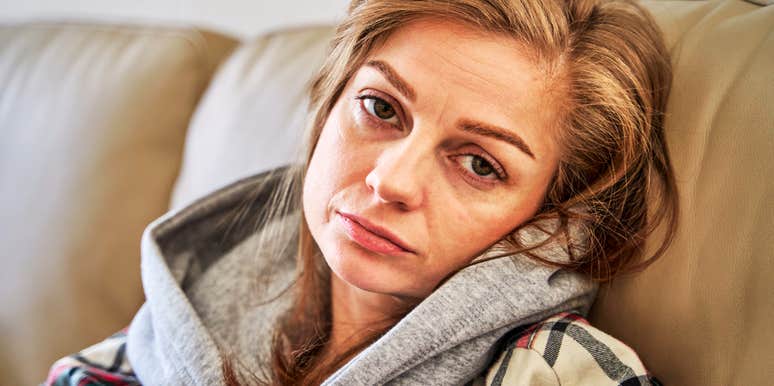
A rough childhood can lead to relationship challenges later on.
Childhood emotional abuse often leads to self-criticism, which spells trouble for relationships.
People often joke that, despite our best efforts not to, we grow up to mirror the habits and behaviors of our parents. Unfortunately, this age-old concept now stretches even further, and it may be affecting romantic relationships.
Discover what creates the vulnerability to emotional infidelity and what you can do about it.
Emotional infidelity occurs when you or your partner become emotionally connected with someone outside your relationship, either in person or on the Internet.
How dangerous to a marriage or committed relationship is emotional infidelity?
One way of looking at emotional infidelity is that it is very dangerous, because it not only takes away time and energy from the marriage, but it can lead to sexual infidelity and possibly to the end of marriage.
You've made amends for your lying or affair, but your partner is still jealous...
When you're trying to build- or rebuild- trust in your love relationship or marriage, how far should you have to go? Is there a way to be transparent enough so that your partner won't spy?
If your partner is jealous no matter what you do, what steps can you take to improve the situation?